

Shaggy Coos Farm & Creamery
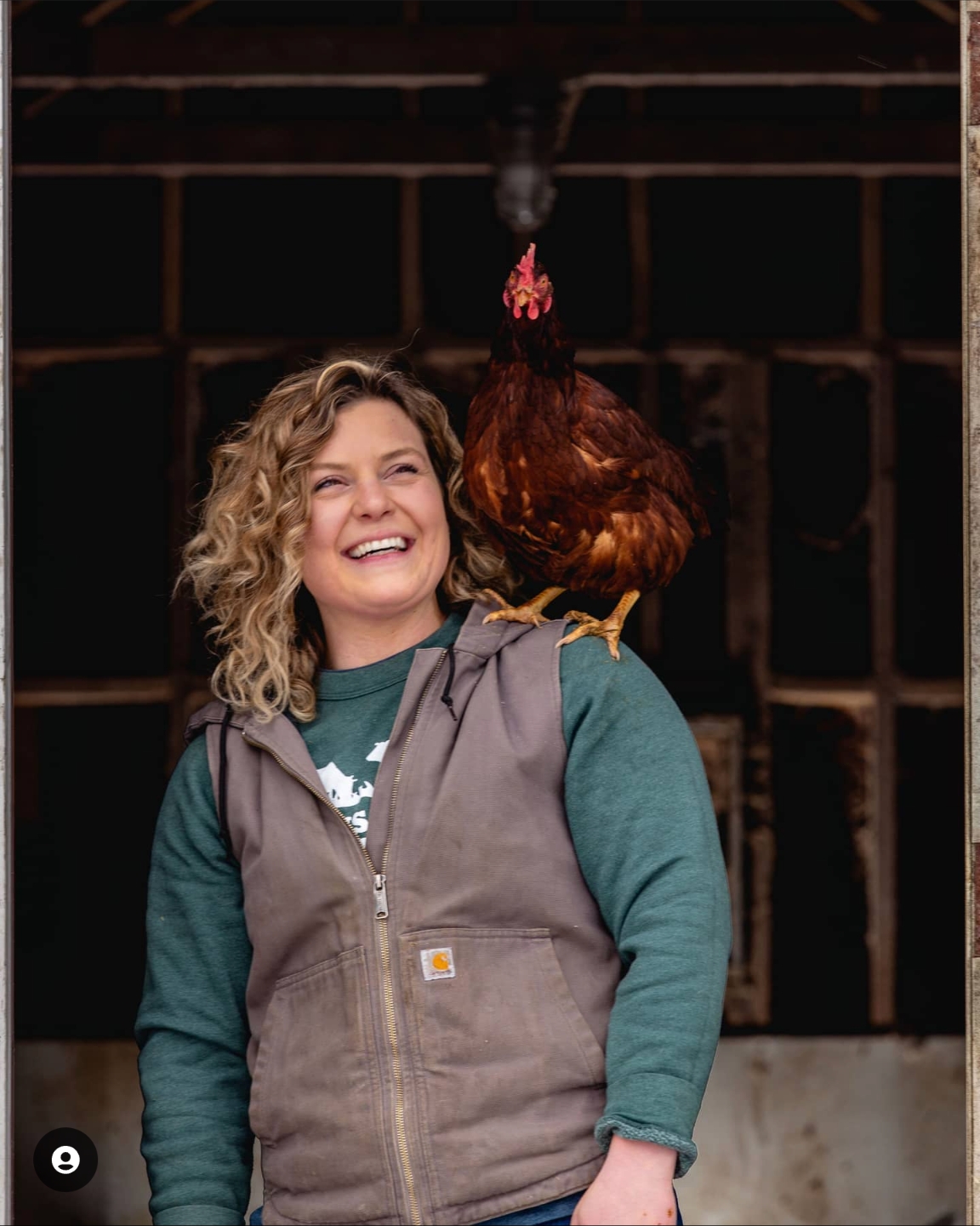
“I want the next generation of women in agriculture to know that this work is equal parts grit and grace. It’s early mornings, problem-solving on the fly, and choosing to show up even when everything feels uphill. But it’s also deeply rewarding, there’s a pride in raising good food, caring for animals and land, and contributing to a community in a way that really matters. I want them to see that every fence mended, calf delivered, crop harvested, or customer served is part of a legacy they’re helping build.“
Q: Tell us about your agricultural operation, your background and how you got started in agriculture.
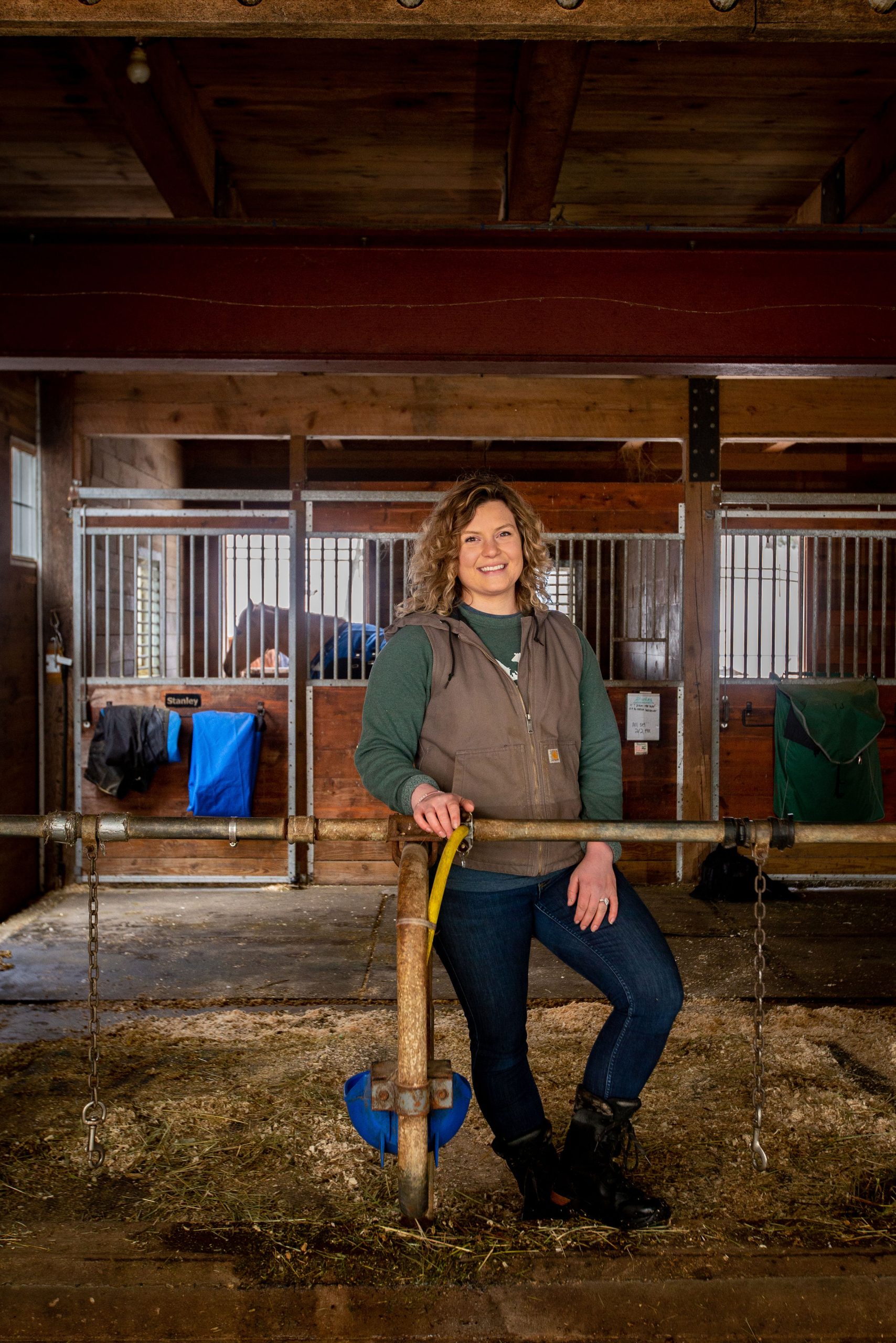
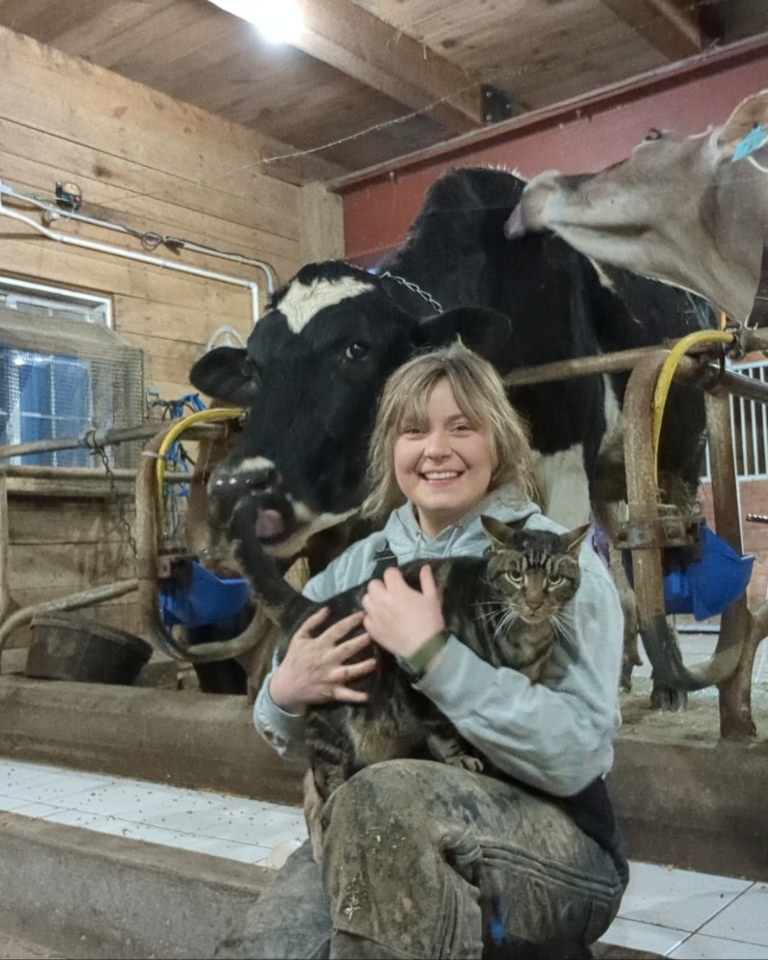
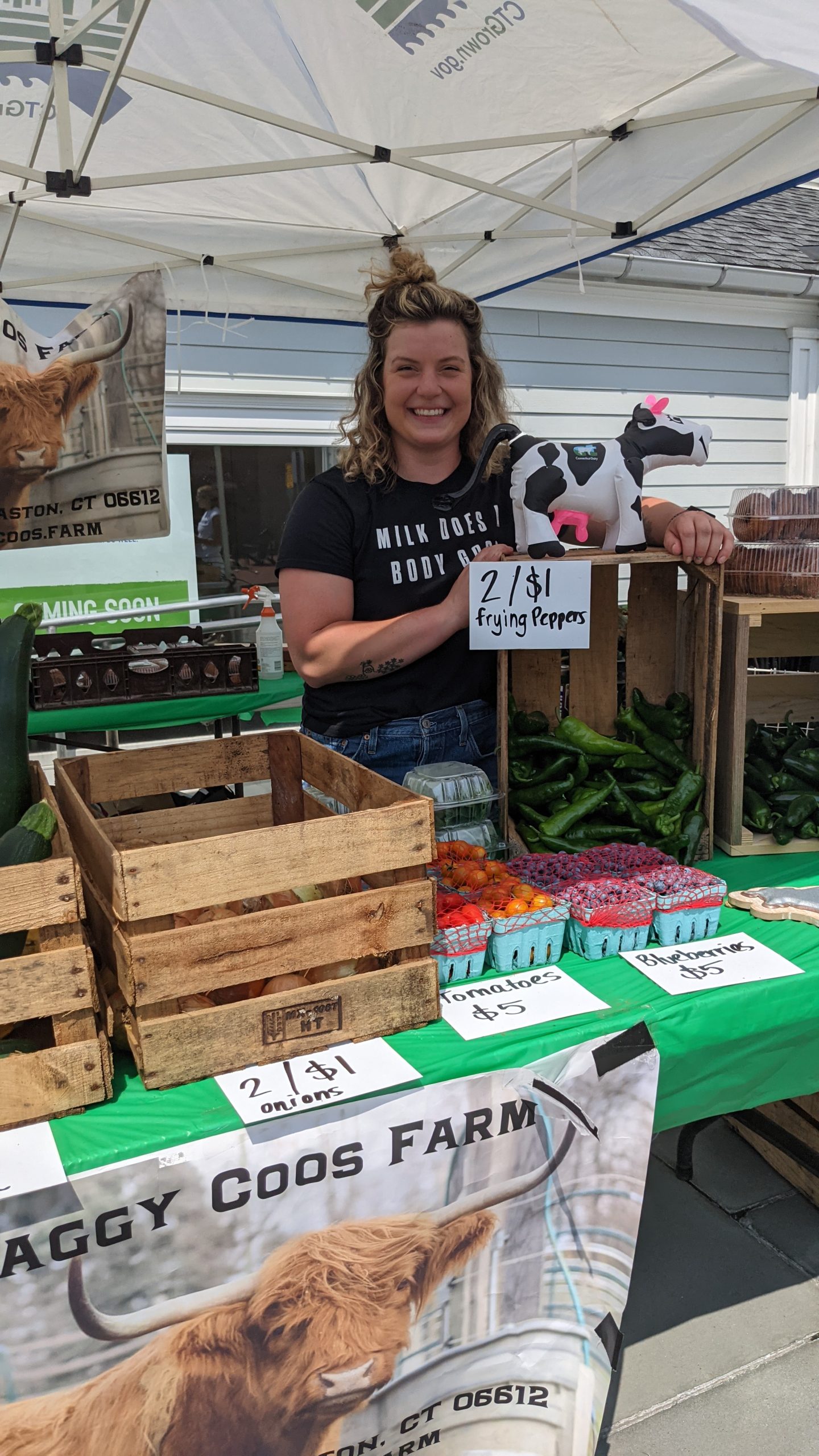
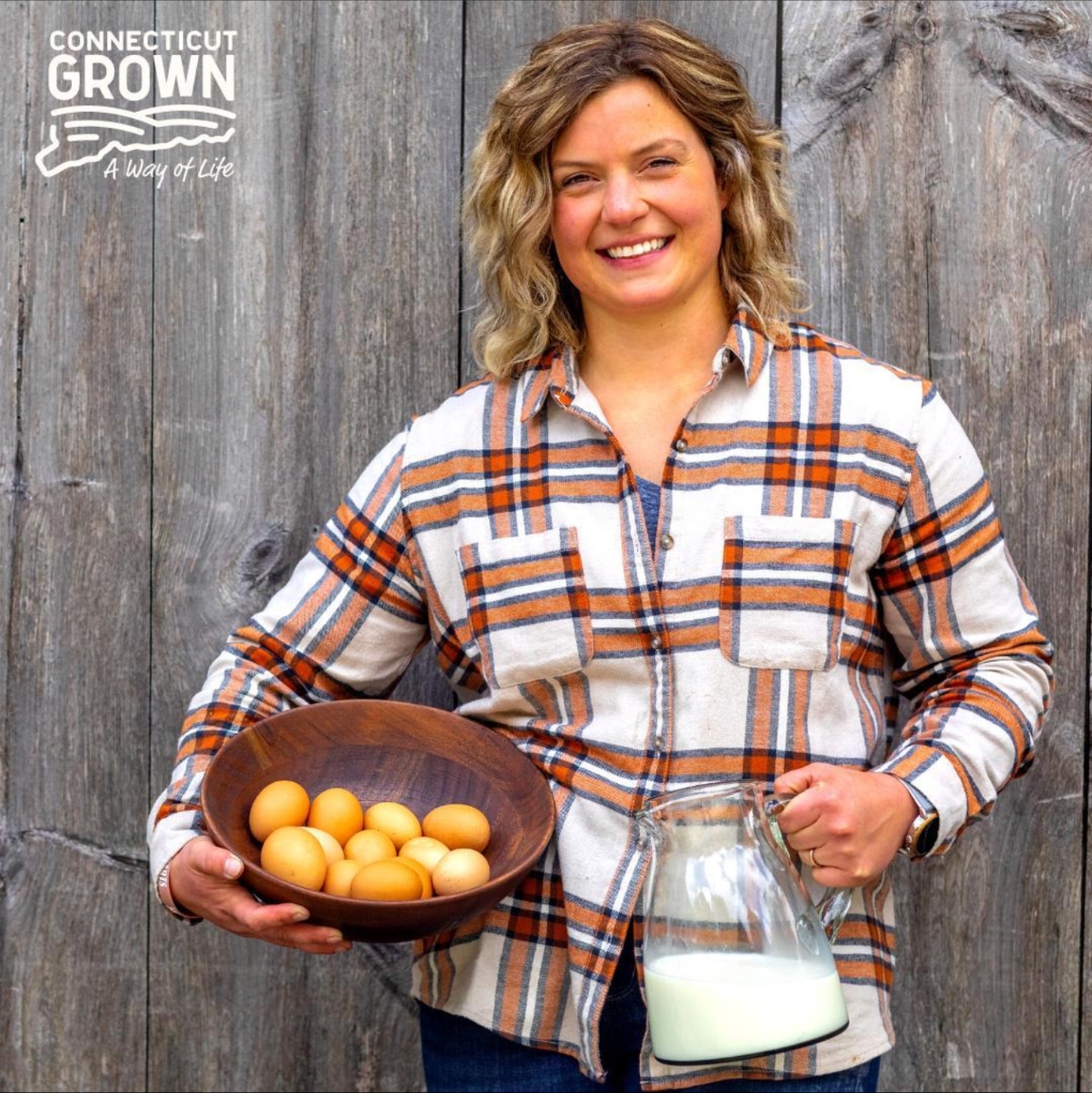
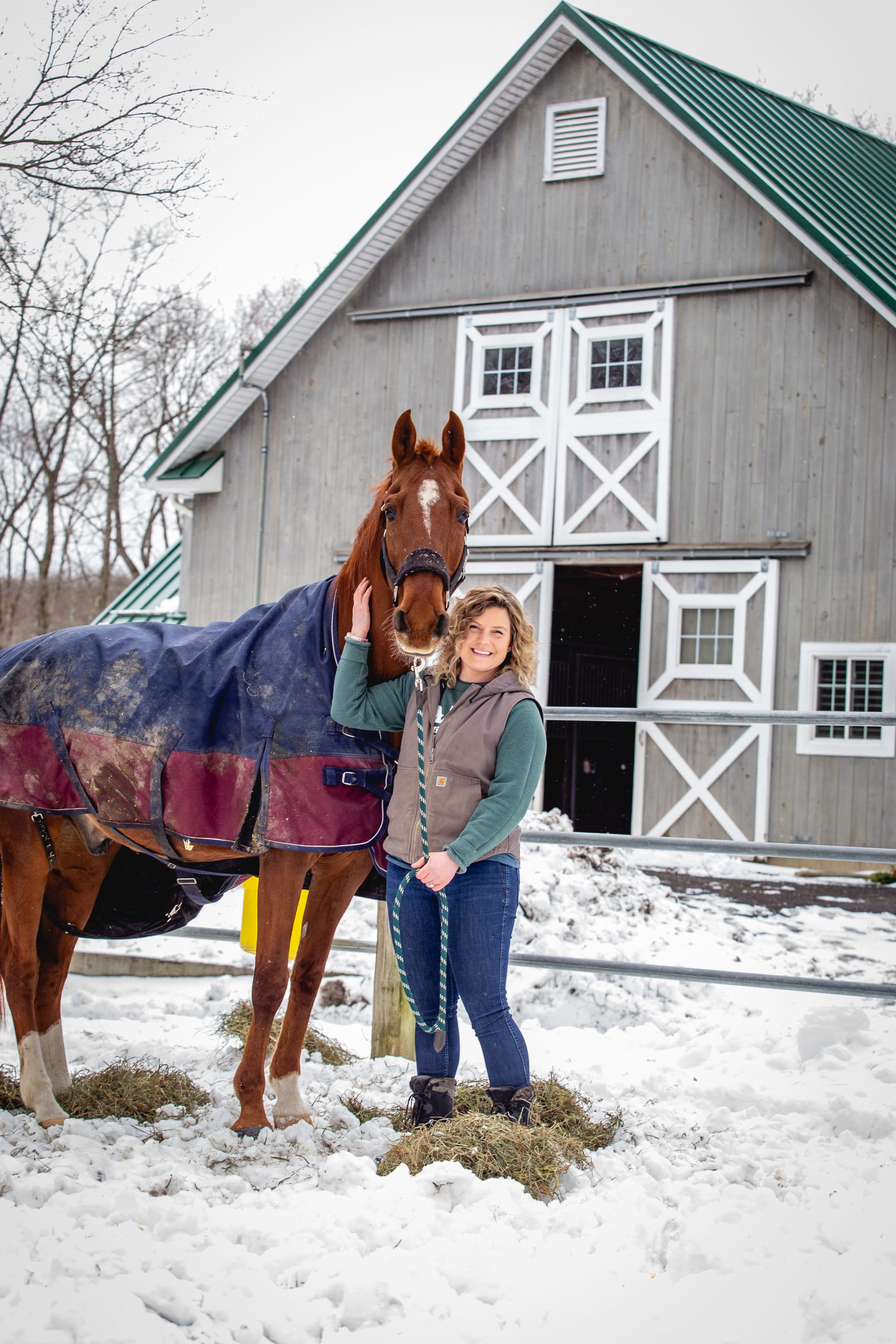
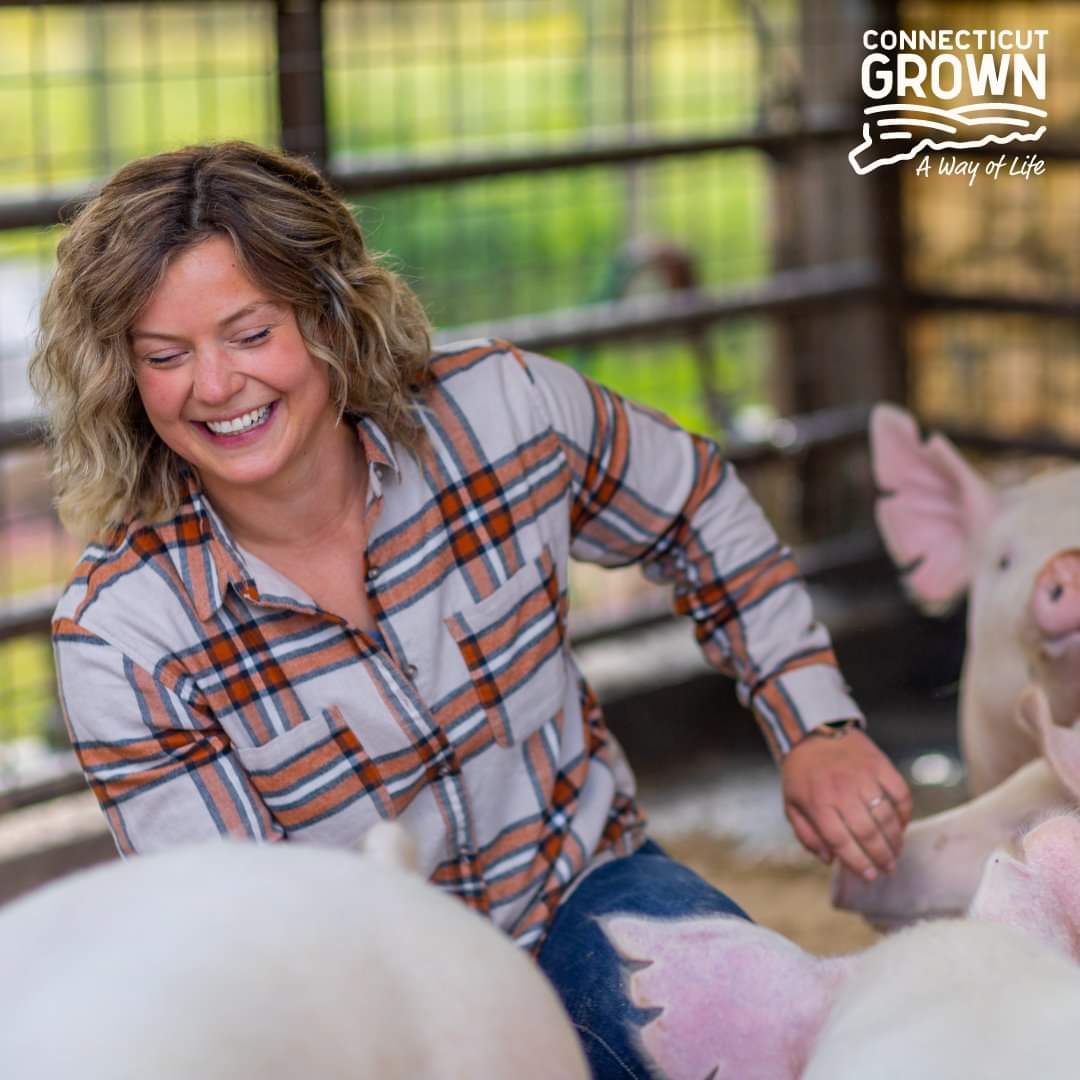
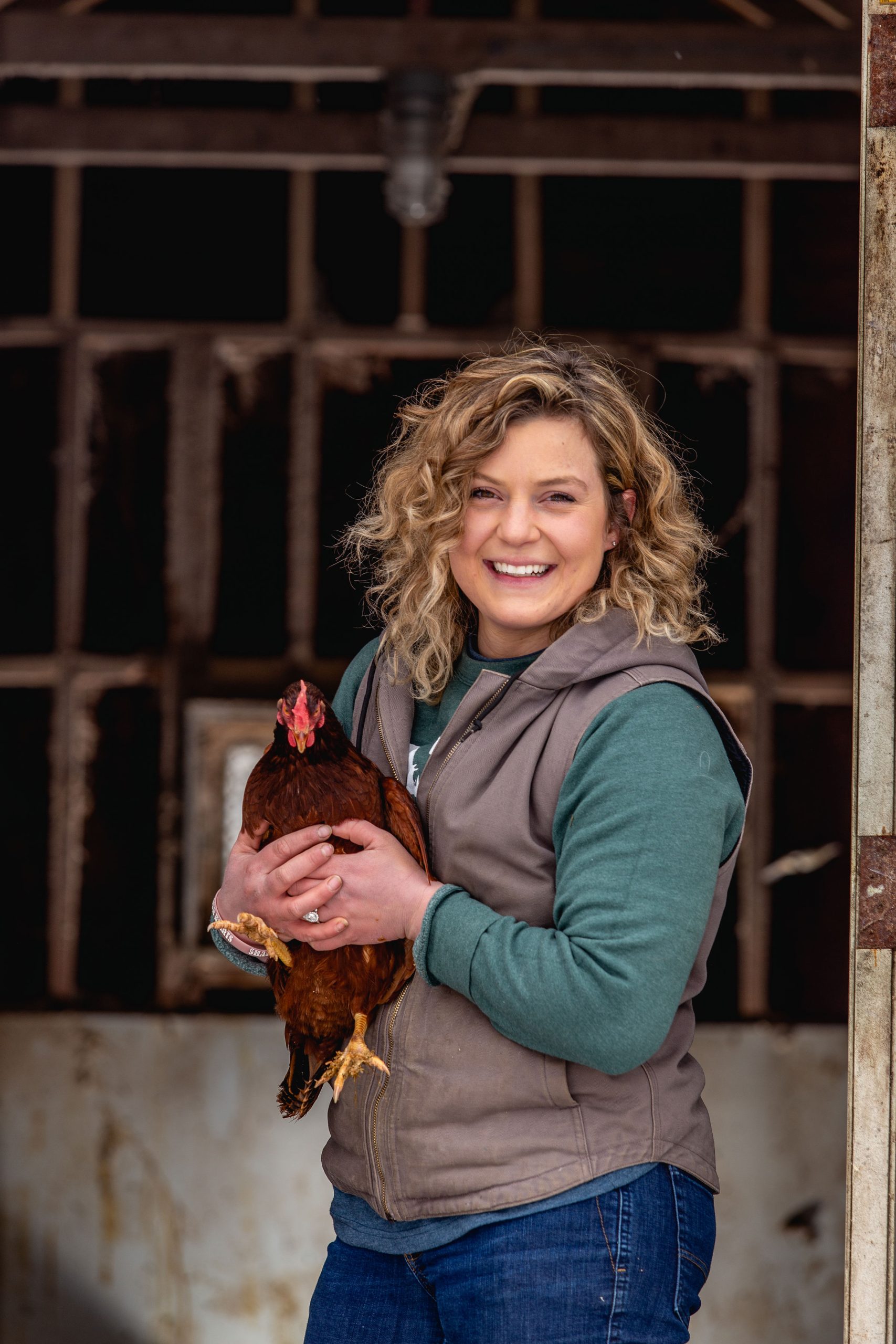
Shaggy Coos Farm & Creamery is a first generation micro dairy that is female owned and operated. We produce and process everything right on the farm to ensure a smaller carbon footprint. We also raise pork and poultry for processing. I am originally from a small ag town in PA where I grew up on a horse farm. Knowing that I wanted to pursue a career in ag, I attended Delaware Valley University, where I met my husband Jacob. After graduation, we moved to Connecticut where I attended University of New Haven and received my MS in Environmental Studies. My ag career took a pause as I pursued a career in teaching at the collegiate level. In 2019, I took over what was a hobby farm version of Shaggy Coos and quickly grew the customer base and milk production. Today, Shaggy Coos Farm & Creamery is the southern most dairy in New England, priding ourselves on the humane treatment of our animals. Our milk is minimally processed and homogenized. We are excited to pursue a delivery service in 2026.
Q: What does working in agriculture, and specifically being a woman in agriculture, mean to you?
Working in agriculture means stewardship, responsibility, and purpose, caring for the land and animals while feeding others. Being a woman in agriculture means showing up with resilience and compassion, balancing strength with care, and proving through daily work that leadership comes in many forms. It’s about honoring tradition while shaping a future where women are seen, heard, and valued in this industry. I also love the connection I have with all of the other women in ag, my vet, my butcher, our neighbors at the farmers market, the farms we buy goods from, our baker for the store- all women and all supporting each other.
Q: What do you wish the next generation of women in agriculture would know about your work? What advice would you give them?
I want the next generation of women in agriculture to know that this work is equal parts grit and grace. It’s early mornings, problem-solving on the fly, and choosing to show up even when everything feels uphill. But it’s also deeply rewarding, there’s a pride in raising good food, caring for animals and land, and contributing to a community in a way that really matters. I want them to see that every fence mended, calf delivered, crop harvested, or customer served is part of a legacy they’re helping build.
Trust that you belong here. Agriculture needs your voice, your ideas, your compassion, and your strength. Don’t be afraid to ask questions, take up space, or challenge “the way it’s always been done.” Find mentors and be one when it’s your turn. Lean on other women in the field; the friendships you build will carry you through the hard days.
Q: Have you had access to formal education or informal training programs to help you grow your operation?
A few classes through Cornell and an AI class through Select Sires.
Q: What would make it easier for women in agriculture to access the capital they need?
Women would benefit from lenders recognizing them as primary decision-makers, clearer and more accessible loan programs, and financial education that actually fits real farm life. More flexible loan structures, better support for small or diversified operations, and stronger mentorship networks would also help women confidently secure the funding they need to grow.
Q: What technologies or innovations have made the biggest difference on your farm? How do you stay informed about best practices, weather, markets, or new technologies?
Updated milking and cooling equipment, better fencing, and simple digital tools for tracking herd health and records have made the biggest impact. I rely on trusted ag networks, local farmers, extension resources, and daily weather and market reports to stay current on best practices and new technology.
Q: Describe a specific challenge you faced and how you overcame it.
One challenge was balancing farm responsibilities while expanding our operation. I overcame it by creating clearer systems, better record keeping, setting priorities, and using technology to track health, production, and schedules. Breaking big goals into manageable steps helped me grow without losing control of day-to-day tasks. I also learned that it is ok to hire help. I hired a female manager who has been my best investment for the growth of the farm.
Q: Has your state department of agriculture helped you advance your operation? How?
Yes, the state department of agriculture has been a valuable resource by providing regulatory guidance, technical assistance, and access to programs that support small and local farms. Their support has helped us navigate compliance, improve food safety practices, and connect with resources that allow our operation to grow responsibly. Shout out to our inspector, Gerda!