
Director, Montana Department of Agriculture
“Agriculture has taught me to use my strengths and to be proud of them. It is all hands-on deck in the agriculture industry and everyone has a place for their talents to play an important role.”
Q: Do you farm or participate in agriculture outside of your position as state commissioner/secretary/director of agriculture? If so, please describe your activities and what your contributions to agriculture mean to you.
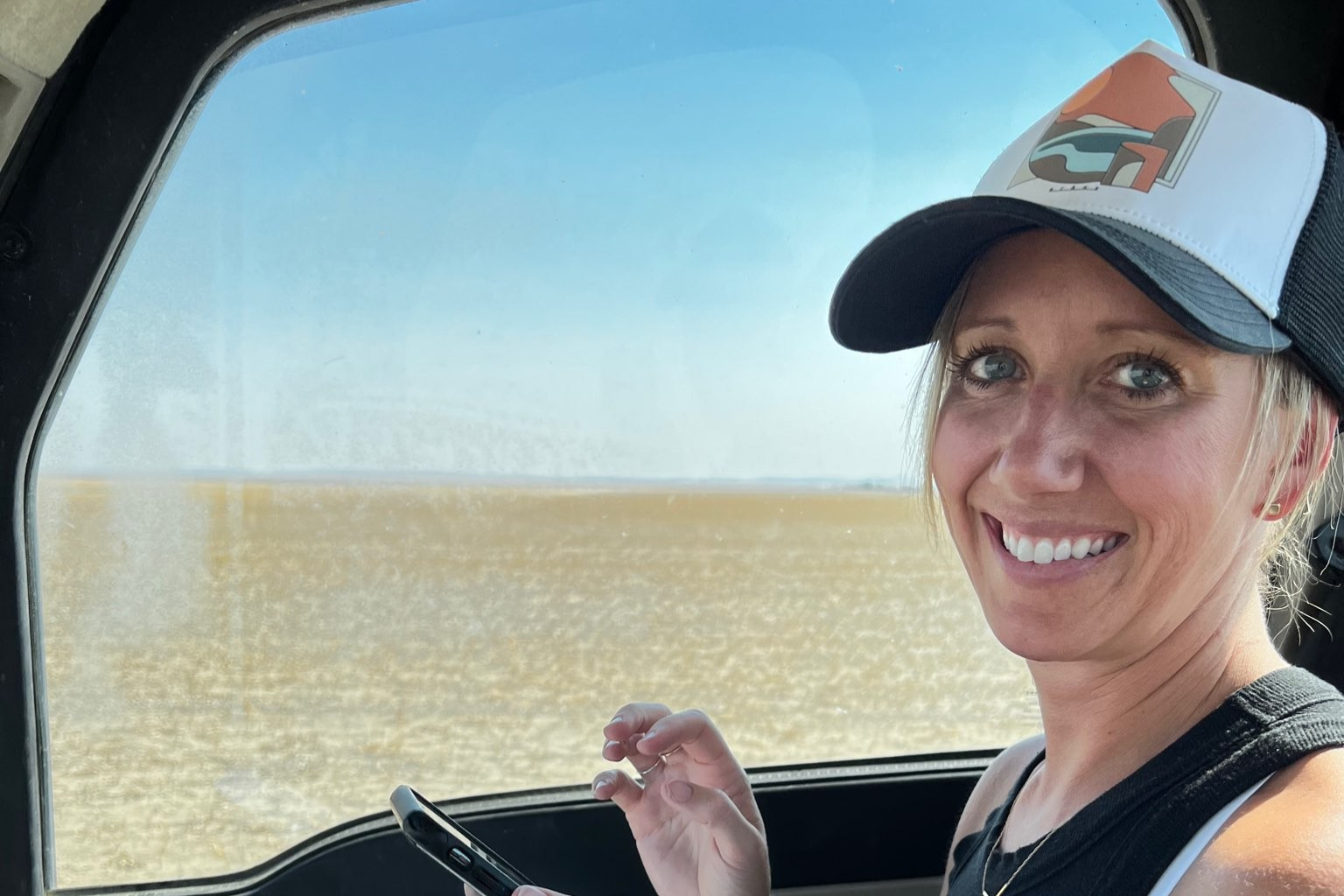
I’m a Farm Wife and Farm Mom. I’m married to a 5th generation Montana Farmer raising crops, livestock, and the 6th generation of farmers. This is our passion. Our children are 23, 17, and 14. We also have our nephew, 19, and niece, 20, who are active on the farm. We run a large-scale dry land farm in north central Montana. Each year we plant an average of 10 different crops, some years rotating up to 18 different crops. We have begun to integrate cattle and sheep into our operations. Our main crops are wheat, durum, chickpeas, lentils, mustard, and peas. We also will grow flax, sunflowers, corn, barley, oats, and canola. I have excelled on the farm, in the office and the kitchen. Taking care of the financial demands of farming and making sure that our crew of about 12 during the farming season is fed with homemade, nutrient dense meal while they are out producing nutrient dense food is my favorite part. I also coordinate our H2A visa program where we are blessed to have six workers from South Africa who join us every year on the farm.
Q: What valuable lessons have you learned as a woman in agriculture?
Agriculture has taught me to use my strengths and to be proud of them. It is all hands-on deck in the agriculture industry and everyone has a place for their talents to play an important role.
Q: What valuable lessons have you learned specifically in your role as a woman state commissioner/director/secretary of agriculture?
Collaboration is key when trying to get something accomplished. Women are more collaborative and thus play a vital role in the tide that is agricultural policy. As diverse as agriculture is, it is also very small in population. This is our superpower and also could be our downfall. Being willing to work together and not against each other for the common good is where we find our strength.
Q: How do women in agriculture impact your state or the agriculture industry as a whole?
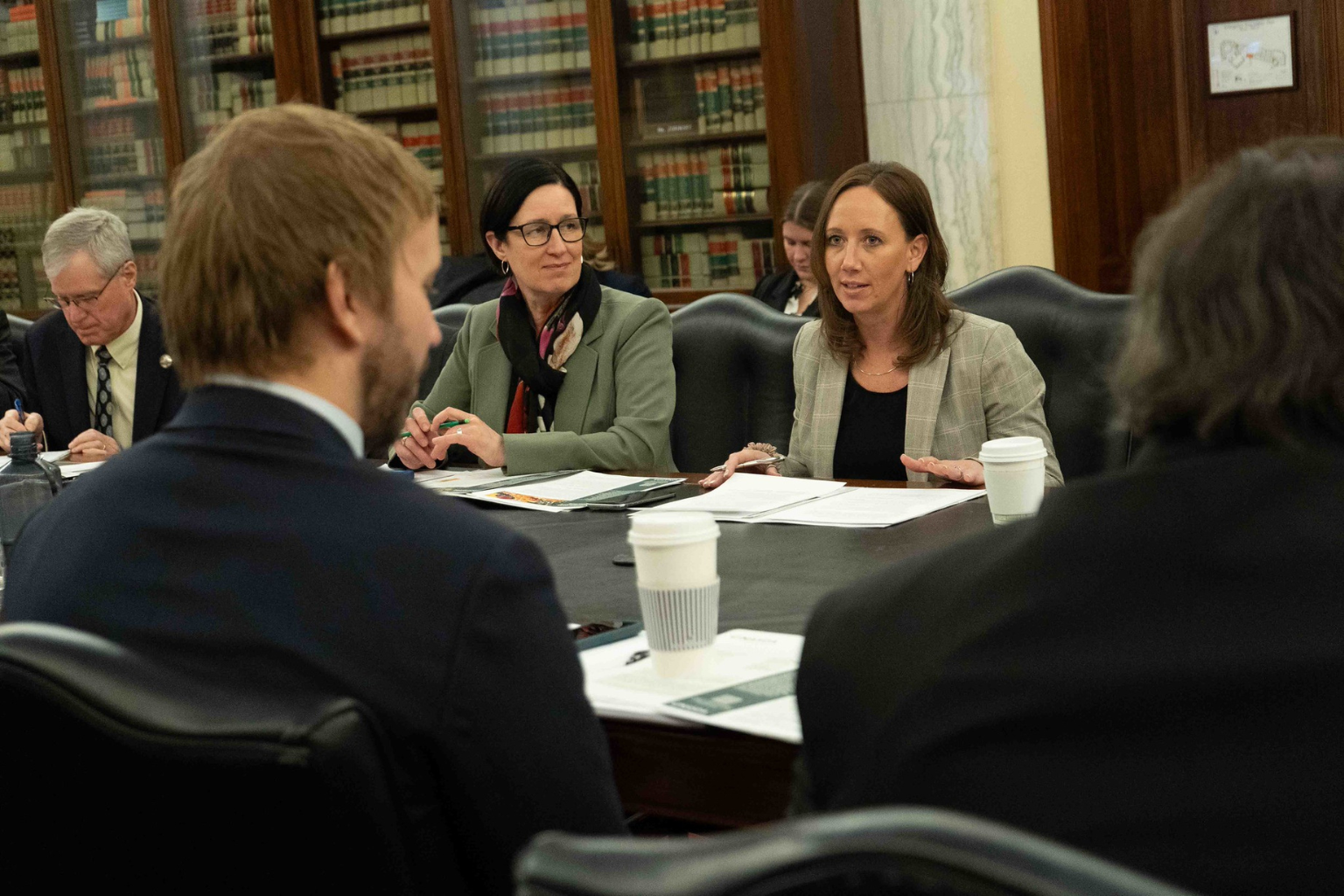
Women are leading in so many aspects of Montana Agriculture. We are executive directors of many of our commodity/grower/producer groups. We are leading in our state and national capitals as members of Farm Bureau and Farmers Union. We are leading in the fields with their social media pages helping to tell the story of Montana agriculture firsthand. We are leading the state FFA and the future looks so bright. I am surrounded by extremely capable, confident female leaders in my state. These women have become like family, and I could not be more proud.
Q: Describe a specific challenge you faced and how you overcame it.
When I first came back to the farm after marrying my husband, I felt like a duck out of water. I was not raised directly in agriculture and the demands that come with the lifestyle felt very overwhelming. Not knowing how I could participate in a meaningful way at first was extremely challenging; especially with my husband always having to be gone working in the fields while I was home raising our young children. It was isolating because I didn’t realize at first that a duck can also fly. Once I embraced my talents as a natural leader, advocate, and teacher, I was able to tailor them to my newfound passion of learning and sharing what I learned about Montana agriculture. I joined agricultural advocacy groups like Montana Farm Bureau, and was asked to serve on the Montana Pulse Crop Committee and the U.S. Dry Pea and Lentil Council. I took what I learned and shared it through my perspective as a Farm Mom and Farm Wife with leaders across our nation. In doing so, I found my value and gave back to our farming operations.
Q: What do you wish the next generation of women in agriculture would know about your work?
I have been very scared to take the next steps in my career, and I have done it anyway. I trust that God has a plan and I follow my heart and gut. It is hard to do hard things. Working in agriculture is hard. It does not matter if you are in the field, in the tractor, behind the desk, or in the kitchen. This is a demanding lifestyle and that is why it’s so rewarding. Nothing worth doing comes easy, and that’s why it is worth it.
Q: What inspired you to pursue a career in agriculture?
My Family. I have an incredibly supportive husband and three loving children who love who they are…..Farmers!