

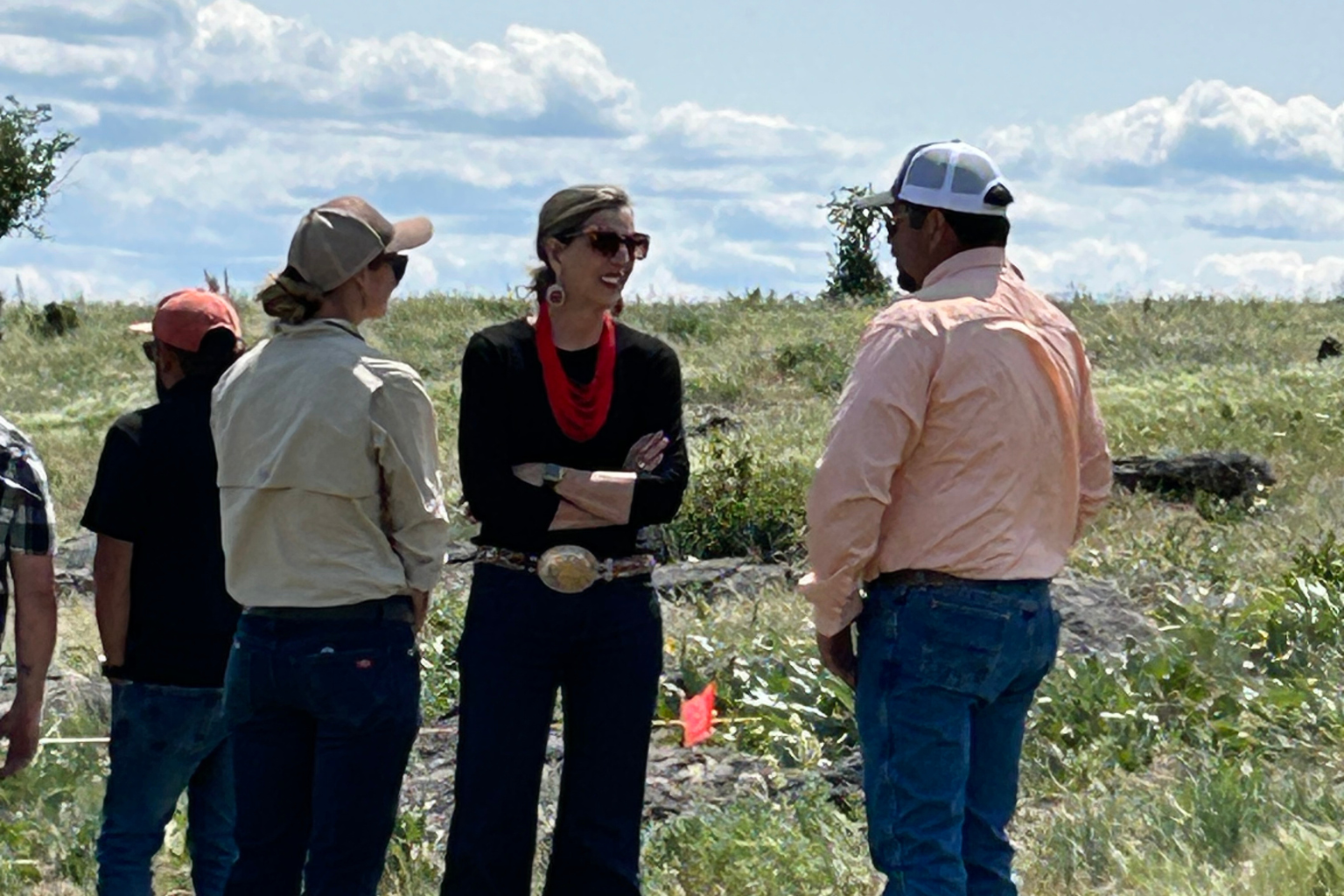
Director, Oregon Department of Agriculture
“I’ve broken molds—about what people thought a woman could do, be, and have in this field. I want others to keep breaking them, too. I laugh, recalling the more literal lessons of ag life: you can’t be afraid to get dirty. But every scrape, every bruise, and every tough day has a lesson and teaches you something new.”
Q: Do you farm or participate in agriculture outside of your position as state commissioner/secretary/director of agriculture? If so, please describe your activities and what your contributions to agriculture mean to you.
Yes, I’m involved in agriculture beyond my work as Director of the Oregon Department of Agriculture (ODA), and it’s a big part of who I am. I grew up in the Willamette Valley, surrounded by farms. I spent my childhood picking berries, harvesting row crops, and showing livestock through 4-H. Those early experiences gave me a deep appreciation for the land, the animals, and the people who care for them.
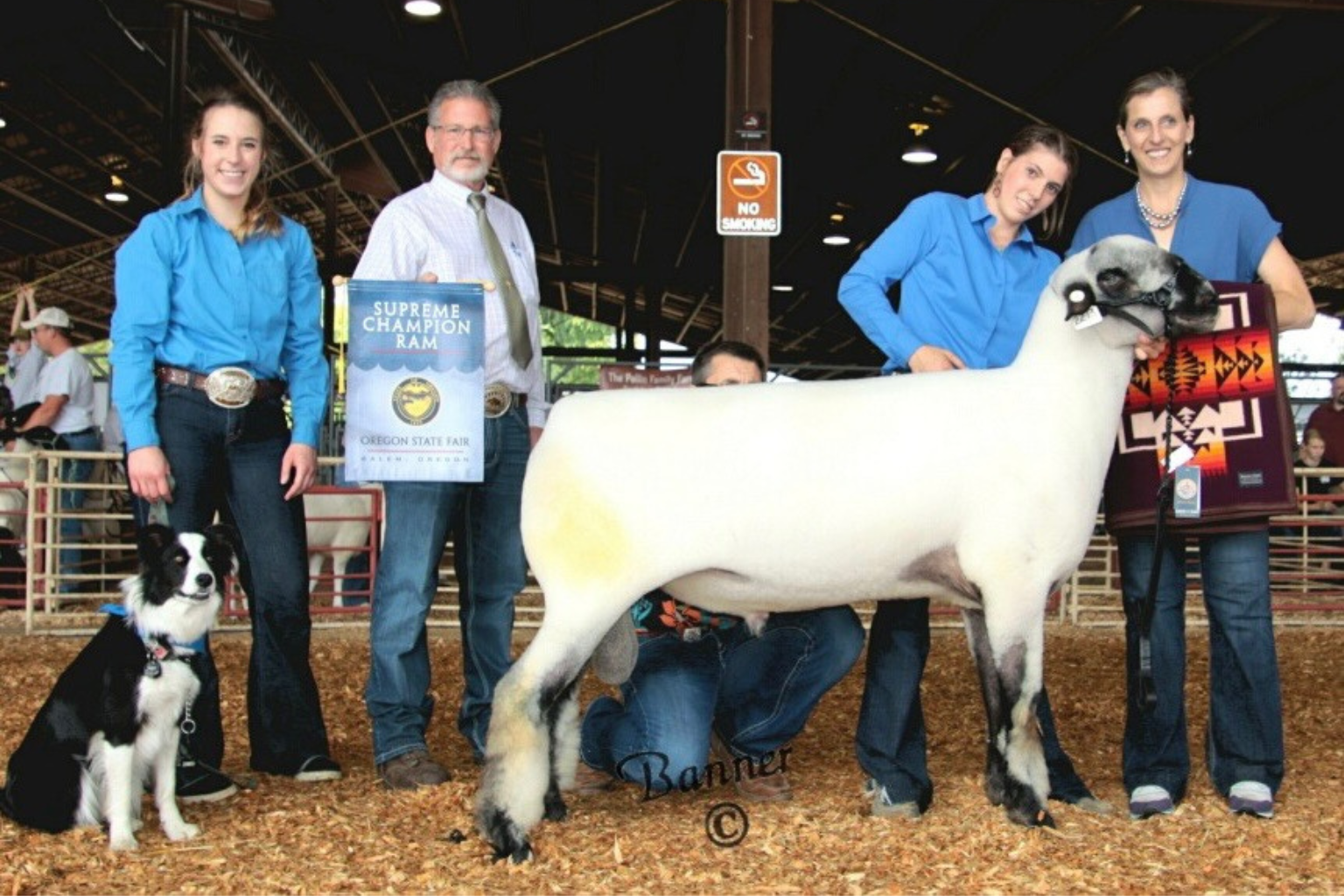
Over time, I discovered my true passion for raising and showing purebred Hampshire and Southdown sheep. Sharing that passion with my daughters has been an incredible journey. We’ve traveled across the country together, showing our sheep, celebrating wins, learning from losses, and making lifelong friends along the way. Those travels have created a large, extended family of people who all share a love of agriculture in every form.
I’m usually the one behind the scenes, prepping the animals, coordinating the details, and cheering the team on — and that’s exactly where I want to be. I love helping others shine, whether it’s in the show ring or in life, and seeing the excitement when someone achieves a goal. For me, agriculture isn’t just about farming—it’s about community, learning, and inspiring others to follow their passions.
Q: What valuable lessons have you learned as a woman in agriculture?
In the early stages of my career, I often heard that it was impossible to have a professional job, a family, and a marriage all at the same time. However, I refused to accept that limitation. In fact, I took it as a challenge. I learned how to find my balance, developed resilience, and worked hard to show up every day. The word cannot is not in my vocabulary! Let me show you how we can. This is how women are changing the narrative.
Representation is everything, and if they see me doing it, I want others to know they can do it too. From being the first fieldwoman at Green Giant in Pasco, Washington, early in my career, to leading the ODA, it’s okay if you’re the only woman in the room; show up, contribute, and inspire others.
Q: What valuable lessons have you learned specifically in your role as a woman state commissioner/director/secretary of agriculture?
During my time as the director of ODA, I have learned so many invaluable lessons: build a team that you trust and rely on them to help guide you; create a network to reach out to when you get stuck; try to let go of the things that are out of your control; embrace change and curiosity; continue to be a lifelong learner; rest easy when you did the best you could doing the right thing for the right reasons; and the list goes on.
It’s essential to believe in what you do and the contributions you can make. This belief will ignite your passion and commitment to your work—whether in the barn, the field, or the office. Finally, just be you! Be your true, authentic self because that’s when you are at your best.
Q: How do women in agriculture impact your state or the agriculture industry as a whole?
I am the third female director of ODA. My predecessors were trailblazers, putting women in leadership roles in both state and national agricultural policy and promotion. Both brought their own unique style, and day in and day out, both demonstrated strength, compassion, and dedication to supporting, growing, and serving agriculture in Oregon.
Historically, in Oregon and around the world, agriculture has relied on women’s contributions on and off the farm. Oregon ranks fourth in the nation for women-led agricultural operations, and this achievement is no accident. Women’s contributions are deeply woven into the fabric of our land and heritage, with generations of women working with love, resilience, and a profound connection to the earth. The diversity of Oregon’s farm size, specialty crops, and agricultural systems creates many opportunities for women to lead and make a lasting impact in this vital sector.
Q: What do you wish the next generation of women in agriculture would know about your work?
I’ve broken molds—about what people thought a woman could do, be, and have in this field. I want others to keep breaking them, too. I laugh, recalling the more literal lessons of ag life: you can’t be afraid to get dirty. But every scrape, every bruise, and every tough day has a lesson and teaches you something new.
I urge the next generation of women in agriculture to find their passion, share it, be tenacious, seek out mentors, and surround themselves with people who inspire them. I am grateful to have discovered my passion early in life and to have made it a lifelong career. No one does it alone. I have had the privilege of knowing many wonderful, strong, and supportive women at every stage of my life.
Q: What inspired you to pursue a career in agriculture?
My passion for agriculture began on my childhood farm, where I saw firsthand the big impact farming had on our community and the land, water, and air we all depend on. I learned that agriculture is not just about growing food; it is a force for improving food security, supporting local economies, and caring for our natural resources. I wanted to make a difference and protect the way of life I loved, ensuring future generations could do the same.