
The modern food system has all the appearances of a miracle. Stroll through the average U.S. grocery store at any time of year and you will find fresh blueberries from Peru, bananas from Guatemala, grapes from Chile and tomatoes and peppers from Mexico. But even as global trade delivers unprecedented abundance to supermarket shelves, locally grown foods remain out of reach for many Americans. Supply chain challenges often prevent farmers from accessing regional markets while schools, hospitals and restaurants struggle to source locally grown foods at scale.
Members of the National Association of State Department of Agriculture are working to close this critical gap. Across the U.S., state agriculture leaders advocate for policies and programs that strengthen supply chain resiliency, connect local agriculture with federal and regional nutrition programs, prevent food waste and crop loss, and prioritize public health-outcomes through regional food systems. By championing these efforts, NASDA members work to strengthen the connection and opportunities between consumers and regional food systems.
Michigan is one of the states pioneering solutions in this area into local communities and institutions. In 2024, Governor Gretchen Whitmer’s administration launched an innovative, bipartisan “Farm to Family Program” to strengthen Michigan’s middle-of-the-supply chain agri-food systems. In practical terms, this means creating more opportunities for Michigan farmers to sell locally grown produce and locally raised meat in their communities. It also means giving Michigan families more options to purchase or access a larger variety of nutrient-dense, regionally produced foods.
Farm to Family was born of everyday conversations with farmers, food producers, small business owners, community officials and families across the state of Michigan. It seeks not only to promote rural prosperity, but also to improve local food access in urban and suburban communities throughout the state.
“We’ve heard overwhelming feedback about the need to support food systems during our extensive listening tours across Michigan, and we shaped Farm to Family to meet those needs,” said Director Tim Boring of the Michigan Department of Agriculture and Rural Development (MDARD). “This program is a win-win from the farm to the fork and serves as an example of what bipartisan investment can deliver for our communities.”
So how does the program work? Farm to Family offers grants, networking opportunities and marketing consultations to help farmers, food businesses and other local food supply chain stakeholders access new markets and expand their operations.
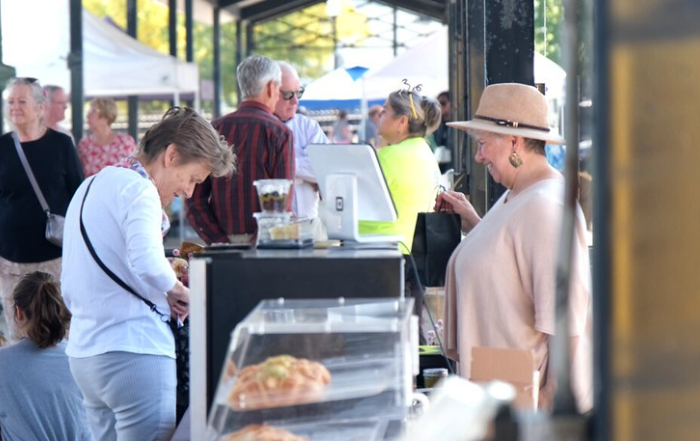
As a critical first step, MDARD invested in Michigan’s food hubs and farm stops. Food hubs are entities that bring in local food from farmers and small businesses to provide distribution and marketing services. They make it easier for small producers to access larger volume markets, connecting the dots between local farms and families. Farm stops are year-round, retail-style markets where consumers can buy produce and meat from local farmers, typically on a consignment basis. This model offers flexibility and fair prices to producers and helps improve consumer education.
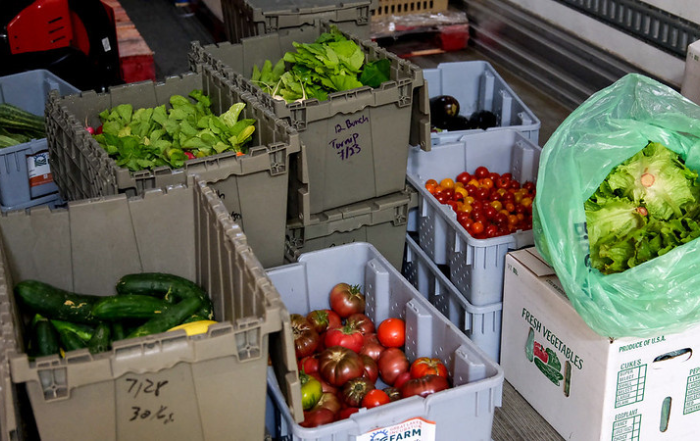
MDARD issued the first tranche of eight Food Hubs grants in May 2025. These grants provided more than $360,000 to support the production and distribution of local apples, asparagus, blueberries, cherries, peaches, plums and a variety of vegetables and meats in communities across the state. Recipients included the Lakeshore Food Club, a nonprofit grocery store for low-income families in West Michigan, and the Flint Fresh Food Hub, which is developing a resilient food system for two counties in Michigan’s Bay Region.
MDARD kept up the momentum in August 2025 by awarding seven Farm Stops grants, delivering nearly $342,000 to entities throughout the state. These grants will support projects ranging from retail grocery expansion and cold storage updates to facilitating senior citizens’ access to fresh vegetables. Recipients included the Coveyou Scenic Farm in Petoskey, which gives northern Michiganders access to locally-grown organic produce, and the YMCA of Greater Grand Rapids, whose Veggie Van™ delivers to urban residents who would otherwise have limited access to fresh produce.
In 2025, MDARD’s Food Hubs and Farms Stops grants facilitated additional purchases of nearly 100,000 pounds of produce and nearly 50,000 pounds of local protein sourced from 42 Michigan counties. The program generated more than $1 million of local food purchasing and reached more than 1,900 Michiganders and 32 wholesale customers, including nine school districts.
The success of Michigan’s Farm to Family program demonstrates how strategic, targeted investments in regional food systems can deliver meaningful results for farmers, food businesses and communities by creating new markets and expanding access to locally grown foods. NASDA continues to advocate for policies that enable states to replicate and scale programs like Farm to Family, recognizing that connecting local communities with regional farmers can improve access to a variety of fresh or nutrient-dense foods, boost market access for farmers and increase nutrition security for Americans.
As part of NASDA’s quarterly content focus, this series highlights regional food procurement and distribution, one of NASDA’s policy priorities. State departments of agriculture sit at the nexus of the food supply chain, connecting farms, food processors and institutions that serve local communities. NASDA supports an increase in federal policies and investments that strengthen regional food systems through resilient infrastructure, flexible state-led food purchasing programs, and expanded institutional procurement of local and regional foods.
Contact Information
Lauren Zajicek
Associate Director, Communications
lauren.zajicek@nasda.org