






Save the Date: Upcoming NASDA RAPP Trade Missions
***Dates subject to change
In May 2024, NASDA received USDA Foreign Agricultural Service Regional Agricultural Promotion Program funding to focus on Africa, Latin America, Southeast Asia, the United Kingdom and the EU. NASDA will use these funds to lead delegations, consisting of NASDA members and industry partners, to continue efforts initiated through the Emerging Markets Program with expanded markets. NASDA will lead the following trade missions this year and will continue to update this list as dates are confirmed. For more information, contact NASDA International Trade Programs Senior Director Megan Weeks.
Inbound: Panama Delegation to Texas
Aug. 30-Sept. 4, 2026
2026 Inbound Trade Missions
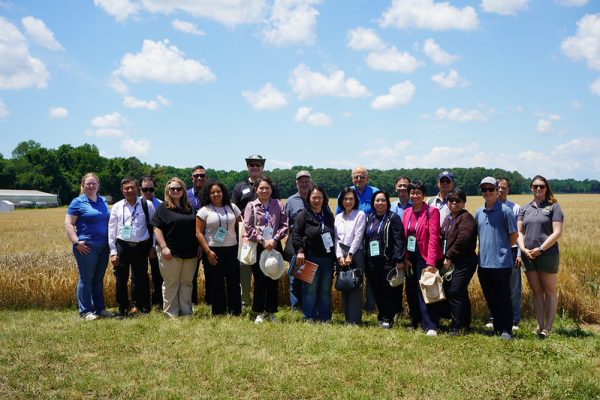 Expanding agricultural partnerships between the U.S. and Southeast Asia was the focus of an inbound trade mission that brought senior government officials and industry representatives from Thailand and Vietnam to Maryland in June. Held in conjunction with the Southern Association of State Departments of Agriculture Annual Meeting, the program introduced participants to U.S. agricultural innovation while creating new opportunities for trade and technical cooperation.
Supported by USDA’s Regional Agricultural Promotion Program, the mission provided an in-depth look at the scientific research, production systems and collaborative approach that drive U.S. agriculture. Participants engaged with state agriculture officials, university researchers, commodity organizations and private-sector leaders to explore how collaboration across government, academia and industry supports productivity, sustainability and global competitiveness.
Technical sessions and field visits offered firsthand insight into a broad cross-section of U.S. agriculture, including crop production, aquaculture, biotechnology, animal health and precision agriculture. Visits to commercial farms, oyster hatcheries, research centers and Corteva illustrated how research, technology and innovation move from discovery to on-farm application and commercial production. Participants also learned about U.S. food safety, biosecurity and export certification systems, along with the coordinated roles federal and state agencies play in protecting agricultural production and supporting international trade.
The program also created new connections between Southeast Asian stakeholders and U.S. exporters, researchers and agricultural organizations. Meetings with the Maryland and Tennessee departments of agriculture, the University of Maryland and the U.S. Soybean Export Council generated interest in feed ingredients, aquaculture, biotechnology, precision agriculture, livestock genetics and university-led research while increasing awareness of export opportunities for U.S. agricultural products.
Participants also identified opportunities to expand collaboration through technical exchanges, research partnerships and business matchmaking activities that support long-term market development. Areas of shared interest included aquaculture, biotechnology, animal health, sustainability, feed manufacturing and science-based regulatory cooperation between the U.S., Thailand and Vietnam.
By bringing together leaders from government, academia and industry, the mission advanced USDA’s RAPP objectives while expanding opportunities for international collaboration, technical cooperation and agricultural trade. Through state-led international engagement, NASDA continues to build partnerships that create new opportunities for U.S. agriculture while fostering long-term relationships with global partners.
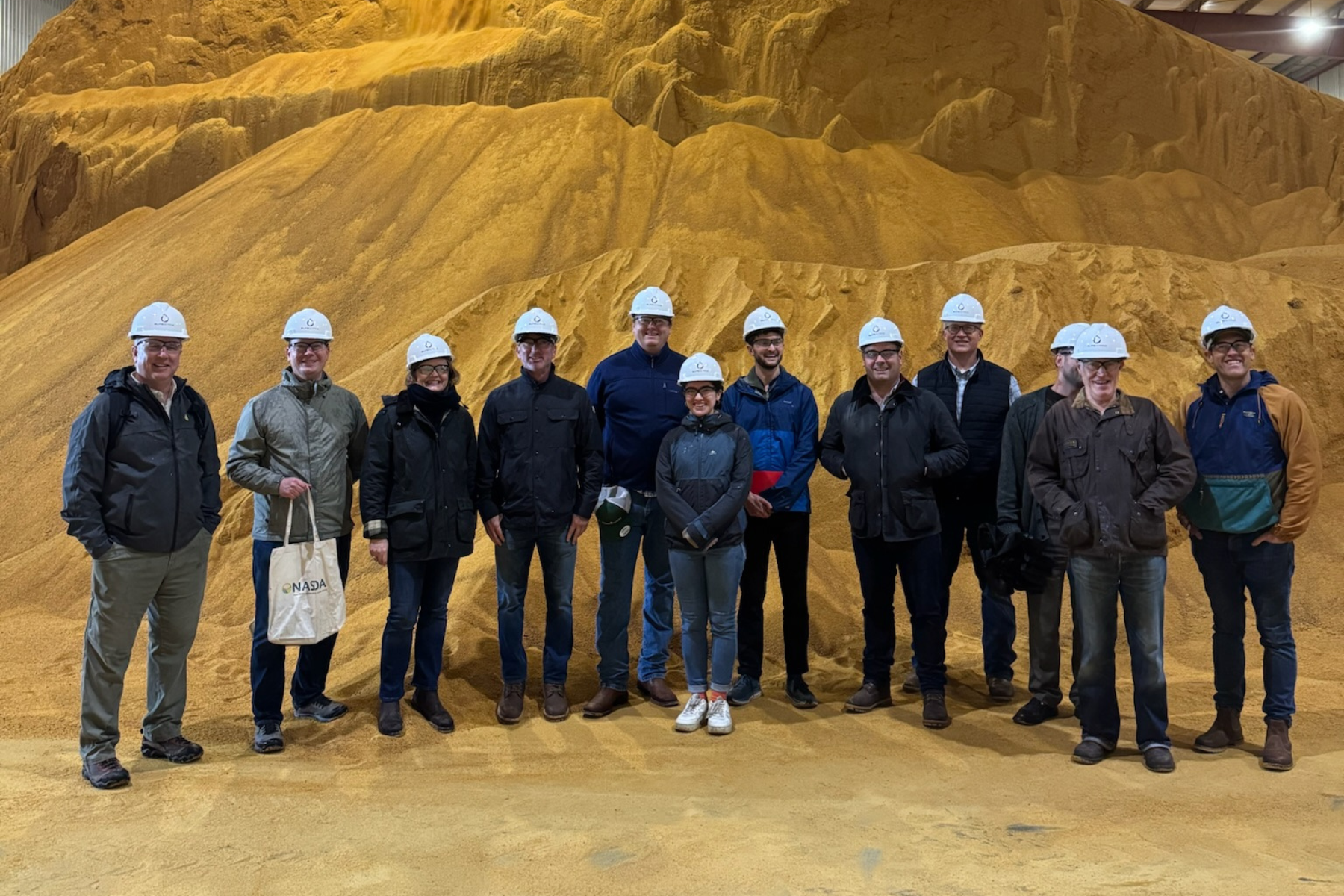
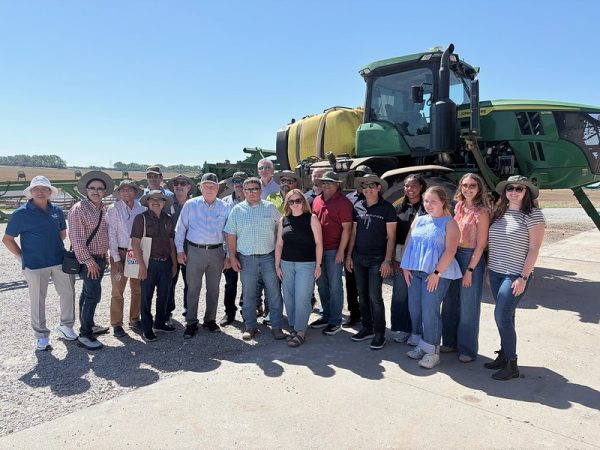 NASDA partnered with the Illinois Department of Agriculture, Iowa Department of Agriculture and Land Stewardship and Kansas Department of Agriculture in June to host an inbound trade mission showcasing the integrated systems, innovation and partnerships that drive U.S. agricultural competitiveness. The program brought together senior executives from India’s food, feed, grain, seed and biofuel industries for an immersive exchange across Illinois, Iowa and Kansas focused on expanding agricultural trade and building lasting commercial relationships.
Supported by USDA’s Regional Agricultural Promotion Program, the mission highlighted the interconnected systems that support U.S. agricultural competitiveness. Participants gained firsthand insight into agricultural production, grain handling, value-added processing, ethanol production, feed manufacturing and university research while engaging directly with farmers, exporters, researchers and industry leaders across the Midwest.
From June 13-20, participants traveled across Illinois, Iowa and Kansas, engaging with state departments of agriculture, universities, commodity organizations and producers to experience the scale and diversity of U.S. agriculture. The Iowa industry roundtable also brought together agricultural leaders from neighboring Nebraska, further expanding regional perspectives and opportunities for collaboration. The mission strengthened relationships and identified new opportunities for long-term commercial engagement.
Roundtable discussions with state agriculture officials and industry representatives, combined with visits to commercial farms, grain terminals, ethanol facilities, feed technology centers and Kansas State University, demonstrated how public-private collaboration, research and infrastructure strengthen agricultural productivity and expand market opportunities. Particular emphasis was placed on corn, soybeans, sorghum, ethanol and distillers dried grains with solubles, along with the integrated value chains that support domestic and international markets.
Dr. Chandrakumar Saragur, chief executive officer of Mahyco Private Limited, said the experience “provided exposure to multiple facets of U.S. agriculture, including government agencies, farming operations, grain handling infrastructure, ethanol and biorefinery facilities, feed manufacturing units and universities. It offered a truly 360-degree perspective across corn, soybeans and sorghum.”
Participants also identified opportunities to expand future collaboration in grain trade, feed ingredients, ethanol, sorghum, research partnerships and technical cooperation while strengthening commercial relationships between U.S. and Indian agricultural stakeholders.
Reflecting on the program, Nitin Gupta, business head of Olam Agri India, said it “created a valuable foundation for continued engagement through knowledge exchange, industry dialogue and collaboration between stakeholders in India and the United States.”
By bringing together leaders from government, academia and industry, the mission advanced USDA’s Regional Agricultural Promotion Program objectives while strengthening relationships that support long-term agricultural trade and technical cooperation between the United States and India. Through state-led international engagement, NASDA continues to build partnerships that expand opportunities for U.S. agriculture and foster lasting international collaboration.
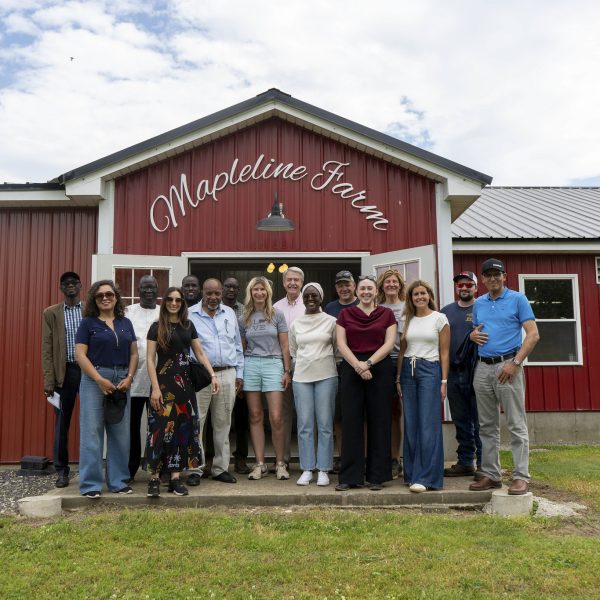 Agricultural leaders from Senegal, Morocco and Kenya traveled to Massachusetts and Vermont in June for an immersive look at the partnerships, innovation and research driving New England agriculture. Hosted by NASDA in partnership with the Massachusetts Department of Agricultural Resources and the Vermont Agency of Agriculture, Food & Markets, the inbound trade mission connected senior government officials, researchers and private-sector representatives with U.S. producers, universities and state agricultural leaders to explore new opportunities for collaboration, research and agricultural trade. The program was conducted alongside the Northeast Association of State Departments of Agriculture Annual Conference.
Supported by USDA’s Regional Agricultural Promotion Program, the mission showcased how collaboration among government, academia and industry supports agricultural innovation while creating opportunities to expand U.S. exports and international partnerships. Delegates gained firsthand insight into agricultural policy, research, production and value-added agriculture through direct engagement with state officials, university researchers and producers across New England.
Conference sessions and field visits highlighted the breadth of the region’s agricultural economy. Delegates explored supply chain investments, farmland preservation and collaborative policymaking before visiting potato, dairy, poultry and specialty crop operations that demonstrated how innovation, sustainability and family farming contribute to a resilient agricultural sector. Visits to the University of Massachusetts Amherst and the University of Vermont further illustrated the role research, Extension and workforce development play in advancing agricultural competitiveness.
Rather than focusing solely on production, the mission highlighted the interconnected systems that support U.S. agriculture. Delegates observed how state departments of agriculture, universities, nonprofit organizations and private industry work together to advance research, improve productivity, strengthen local food systems and support producers. Many participants identified this collaborative approach as one of the program’s greatest strengths and a model with applications in their own countries.
The exchange also identified several opportunities for continued engagement. Participants expressed interest in expanding collaboration in dairy production, potato research, climate-smart agriculture, irrigation technology, agricultural education and university-led research while exploring new institutional partnerships that support long-term trade and technical cooperation between the United States and Africa.
By connecting agricultural leaders across government, academia and industry, the mission advanced USDA’s Regional Agricultural Promotion Program objectives while creating new pathways for research collaboration, technical cooperation and future market opportunities. Through state-led international engagement, NASDA continues to build partnerships that expand opportunities for U.S. agriculture while fostering long-term collaboration with global partners.
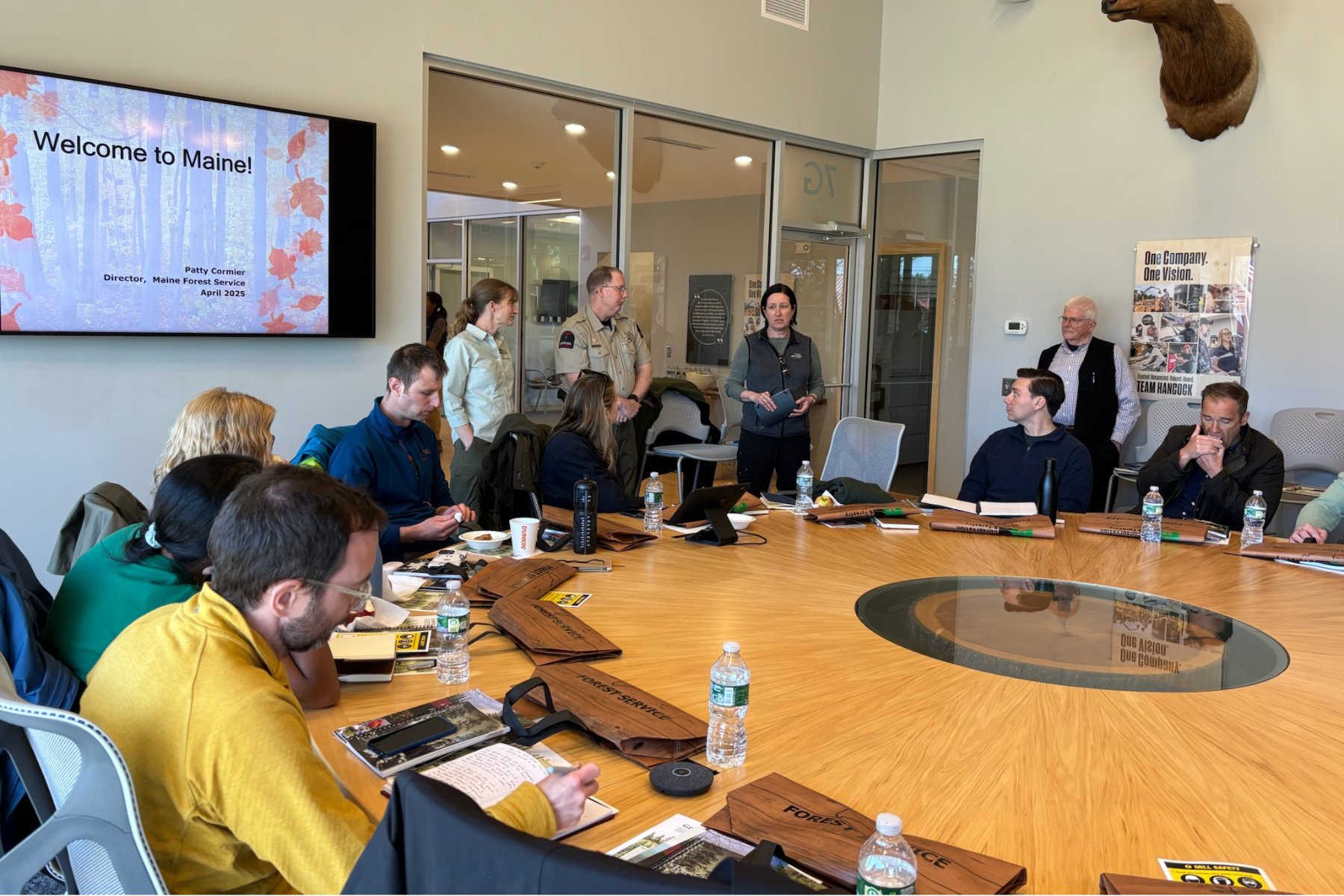
 From June 1–6, 2026, NASDA partnered with the Maine Department of Agriculture, Conservation and Forestry, the Maine Department of Economic and Community Development and the Maine International Trade Center to host an inbound Forest Bioeconomy Trade Mission for a delegation of senior government officials, researchers and industry leaders from Finland. Conducted under the Maine–Finland Forest Bioeconomy Memorandum of Understanding, the mission strengthened bilateral cooperation while expanding opportunities for research collaboration, technology exchange and commercial engagement.
Supported by USDA’s Regional Agricultural Promotion Program, the mission advanced NASDA’s efforts to strengthen international partnerships that support innovation, sustainable forestry and the forest bioeconomy. Finland and Maine share similar strengths in forest resources, advanced wood manufacturing and bioeconomy research, creating a strong foundation for expanding collaboration between government, academia and industry.
Delegates met with leadership from the Maine Department of Agriculture, Conservation and Forestry, the Maine Forest Service, the Maine International Trade Center and the University of Maine while engaging with state policymakers, forest industry associations, landowners and private-sector partners. Discussions focused on sustainable forest management, climate resilience, forest policy, advanced wood products and opportunities to expand research, investment and institutional partnerships between Maine and Finland.
Site visits highlighted Maine’s integrated forest bioeconomy ecosystem, including internationally recognized research facilities at the University of Maine, the Maine Port Authority, working forests and innovative cross-laminated timber and mass timber construction projects. Participation in the Wood Build Maine Conference further showcased emerging technologies, sustainable building materials and the collaboration among government, universities and industry that supports Maine’s growing forest economy.
The mission also generated several promising pathways for continued engagement. Delegates identified opportunities for collaboration in thermal wood modification, cross-laminated timber, forest biomaterials, modular construction, logistics and university-led research while expressing strong interest in participating in Maine Forest Biomaterials Week and exploring a reciprocal U.S. trade mission to Finland in 2027.
Throughout the week, Finnish participants consistently highlighted Maine’s collaborative approach to innovation, particularly the strong partnerships among government, universities and industry. Those discussions reinforced Maine’s position as an emerging leader in the forest bioeconomy while identifying opportunities to expand research, technology commercialization and private-sector investment between the United States and Finland.
By bringing together senior government officials, researchers and private-sector leaders from both countries, NASDA advanced USDA’s Regional Agricultural Promotion Program objectives while strengthening relationships that support innovation, technology exchange and long-term economic opportunities within the global forest bioeconomy.
Through sustained, coordinated engagement, NASDA remains committed to expanding state-led international partnerships that foster innovation, strengthen strategic relationships and create new opportunities for U.S. agriculture and natural resource industries.
2025 Inbound Trade Missions
From June 1–6, 2026, NASDA partnered with the Maine Department of Agriculture, Conservation and Forestry, the Maine Department of Economic and Community Development and the Maine International Trade Center to host an inbound Forest Bioeconomy Trade Mission for a delegation of senior government officials, researchers and industry leaders from Finland. Conducted under the Maine–Finland Forest Bioeconomy Memorandum of Understanding, the mission strengthened bilateral cooperation while expanding opportunities for research collaboration, technology exchange and commercial engagement.
Supported by USDA’s Regional Agricultural Promotion Program, the mission advanced NASDA’s efforts to strengthen international partnerships that support innovation, sustainable forestry and the forest bioeconomy. Finland and Maine share similar strengths in forest resources, advanced wood manufacturing and bioeconomy research, creating a strong foundation for expanding collaboration between government, academia and industry.
Delegates met with leadership from the Maine Department of Agriculture, Conservation and Forestry, the Maine Forest Service, the Maine International Trade Center and the University of Maine while engaging with state policymakers, forest industry associations, landowners and private-sector partners. Discussions focused on sustainable forest management, climate resilience, forest policy, advanced wood products and opportunities to expand research, investment and institutional partnerships between Maine and Finland.
Site visits highlighted Maine’s integrated forest bioeconomy ecosystem, including internationally recognized research facilities at the University of Maine, the Maine Port Authority, working forests and innovative cross-laminated timber and mass timber construction projects. Participation in the Wood Build Maine Conference further showcased emerging technologies, sustainable building materials and the collaboration among government, universities and industry that supports Maine’s growing forest economy.
The mission also generated several promising pathways for continued engagement. Delegates identified opportunities for collaboration in thermal wood modification, cross-laminated timber, forest biomaterials, modular construction, logistics and university-led research while expressing strong interest in participating in Maine Forest Biomaterials Week and exploring a reciprocal U.S. trade mission to Finland in 2027.
Throughout the week, Finnish participants consistently highlighted Maine’s collaborative approach to innovation, particularly the strong partnerships among government, universities and industry. Those discussions reinforced Maine’s position as an emerging leader in the forest bioeconomy while identifying opportunities to expand research, technology commercialization and private-sector investment between the United States and Finland.
By bringing together senior government officials, researchers and private-sector leaders from both countries, NASDA advanced USDA’s Regional Agricultural Promotion Program objectives while strengthening relationships that support innovation, technology exchange and long-term economic opportunities within the global forest bioeconomy.
Through sustained, coordinated engagement, NASDA remains committed to expanding state-led international partnerships that foster innovation, strengthen strategic relationships and create new opportunities for U.S. agriculture and natural resource industries.

From Oct. 25–30, 2025, NASDA hosted an inbound delegation from the United Kingdom for a fact-finding mission focused on sustainable aviation fuel, biofuels policy and low-carbon agricultural systems. The delegation included senior officials from the U.K. Department for Transport, the Department for Environment, Food and Rural Affairs, Airlines UK and the British Embassy, alongside NASDA leadership and state agriculture officials from Illinois, Iowa and Nebraska.
Supported by USDA’s Regional Agricultural Promotion Program, the mission advanced NASDA’s ongoing efforts to deepen U.S.–U.K. collaboration on bioenergy and agricultural sustainability. With the United Kingdom preparing to implement a national sustainable aviation fuel mandate, discussions focused on regulatory frameworks, lifecycle carbon-intensity accounting, industrial emissions policy and the role of agricultural feedstocks in future SAF supply chains.
Throughout the mission, delegates engaged with state regulators, researchers and industry leaders across the Midwest. In Illinois, meetings with agricultural and energy stakeholders explored feedstock-to-fuel pathways and logistics, while site visits highlighted ethanol production, intermodal infrastructure and coordination across the agricultural value chain. In Iowa, delegates toured farms, research facilities and renewable fuels operations to examine sustainability practices, biotechnology adoption and policy alignment supporting biofuel production.
In Nebraska, the delegation focused on ethanol production, carbon capture and storage strategies, permitting pathways and industrial cluster development. Meetings with state officials, ethanol producers and logistics partners underscored the integration of agriculture, energy infrastructure and regulatory oversight. Discussions emphasized how emissions reduction strategies, soil health practices and supply chain transparency support both environmental performance and market development.
Delegates consistently noted the value of firsthand exposure to U.S. production systems and regulatory approaches. Many highlighted the importance of understanding how ethanol production intersects with animal feed markets, rural economic development and carbon reduction goals. The mission also strengthened dialogue between U.S. producers and U.K. policymakers as the United Kingdom evaluates policy options related to SAF deployment and feedstock sourcing.
The mission identified clear opportunities for continued collaboration, including regulator-to-regulator exchanges, engagement in the U.K. Department for Transport’s forthcoming call for evidence and future inbound and outbound programs under RAPP. By facilitating direct engagement among policymakers, producers and researchers, NASDA continues to support science-based dialogue and practical cooperation that advances sustainable fuel development and strengthens transatlantic agricultural partnerships.

From Nov. 2-7,, 2025, NASDA welcomed an inbound delegation from the Philippines for a trade mission focused on livestock health, regulatory systems and food supply chain resilience. The delegation included officials from Philippine government agencies, industry representatives and livestock sector stakeholders, alongside NASDA staff and U.S. partners.
Supported through USDA programs, the mission advanced NASDA’s ongoing efforts to strengthen science-based agricultural systems and support market access through technical cooperation. Discussions centered on animal health surveillance, biosecurity, risk-based inspection systems and emergency preparedness, all of which play a critical role in protecting animal agriculture and maintaining trade continuity.
Throughout the mission, delegates engaged with government officials, researchers and industry leaders through technical briefings and site visits. Meetings with state and university partners highlighted U.S. approaches to livestock disease prevention, diagnostic capacity and extension services that connect research with on-farm application. Delegates also examined state-level regulatory oversight and coordination with federal agencies to better understand how animal health systems are implemented in practice.
Discussions emphasized the importance of traceability, surveillance networks and data-driven decision-making in strengthening food supply security. Delegates explored how risk-based inspection frameworks and coordinated emergency response planning help mitigate disease risks while supporting efficient trade and market access.
The mission identified opportunities for future collaboration in livestock traceability, animal health capacity building, crop insurance models and genetic technologies. Delegates noted the value of firsthand exposure to U.S. regulatory systems and expressed interest in continued technical exchanges to inform policy development and industry best practices in the Philippines.
By facilitating direct engagement among policymakers, researchers and industry stakeholders, NASDA continues to support knowledge sharing that strengthens agricultural systems and promotes resilient, science-based trade relationships. The Philippines mission laid the groundwork for continued collaboration through follow-up exchanges and future trade missions.
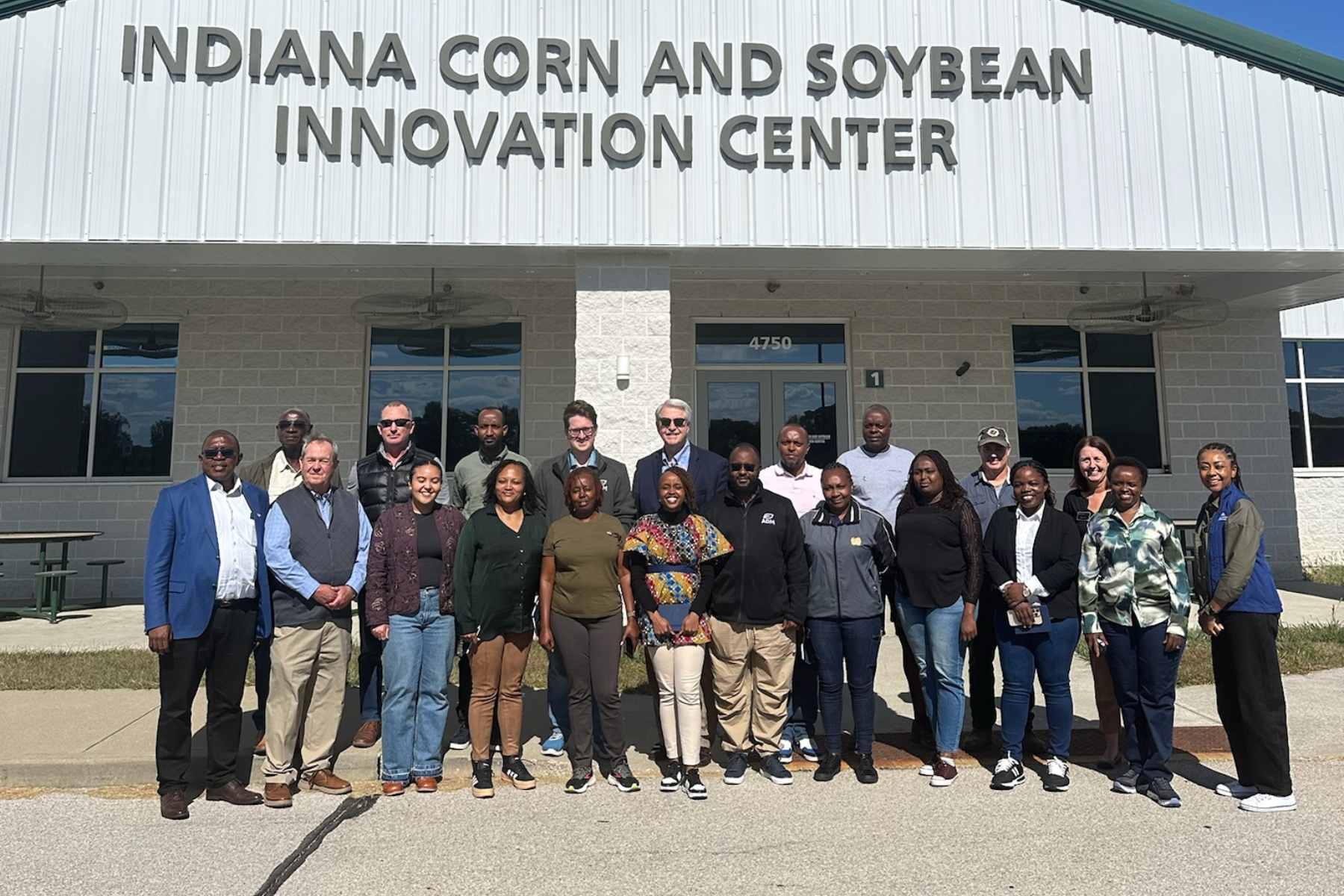
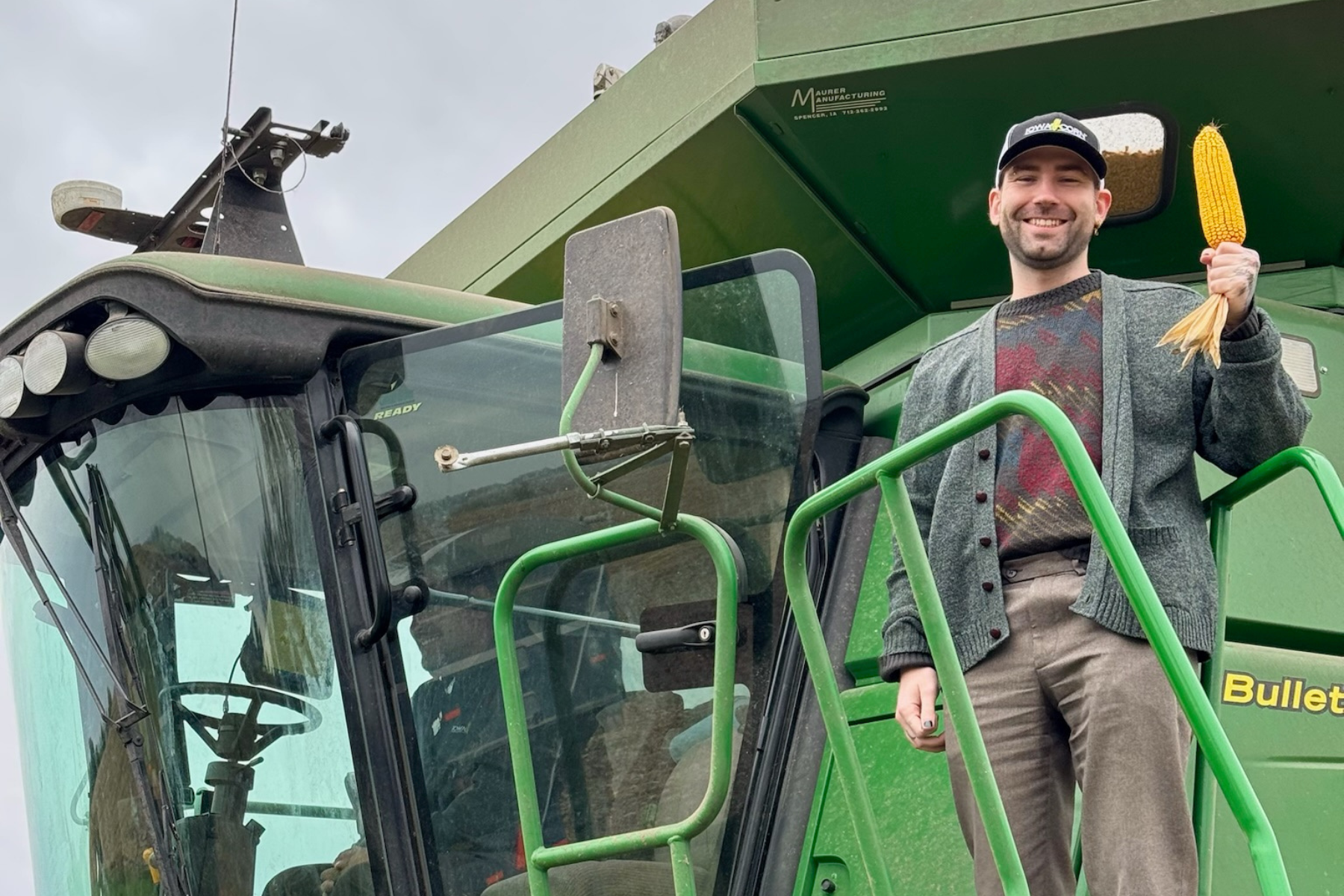
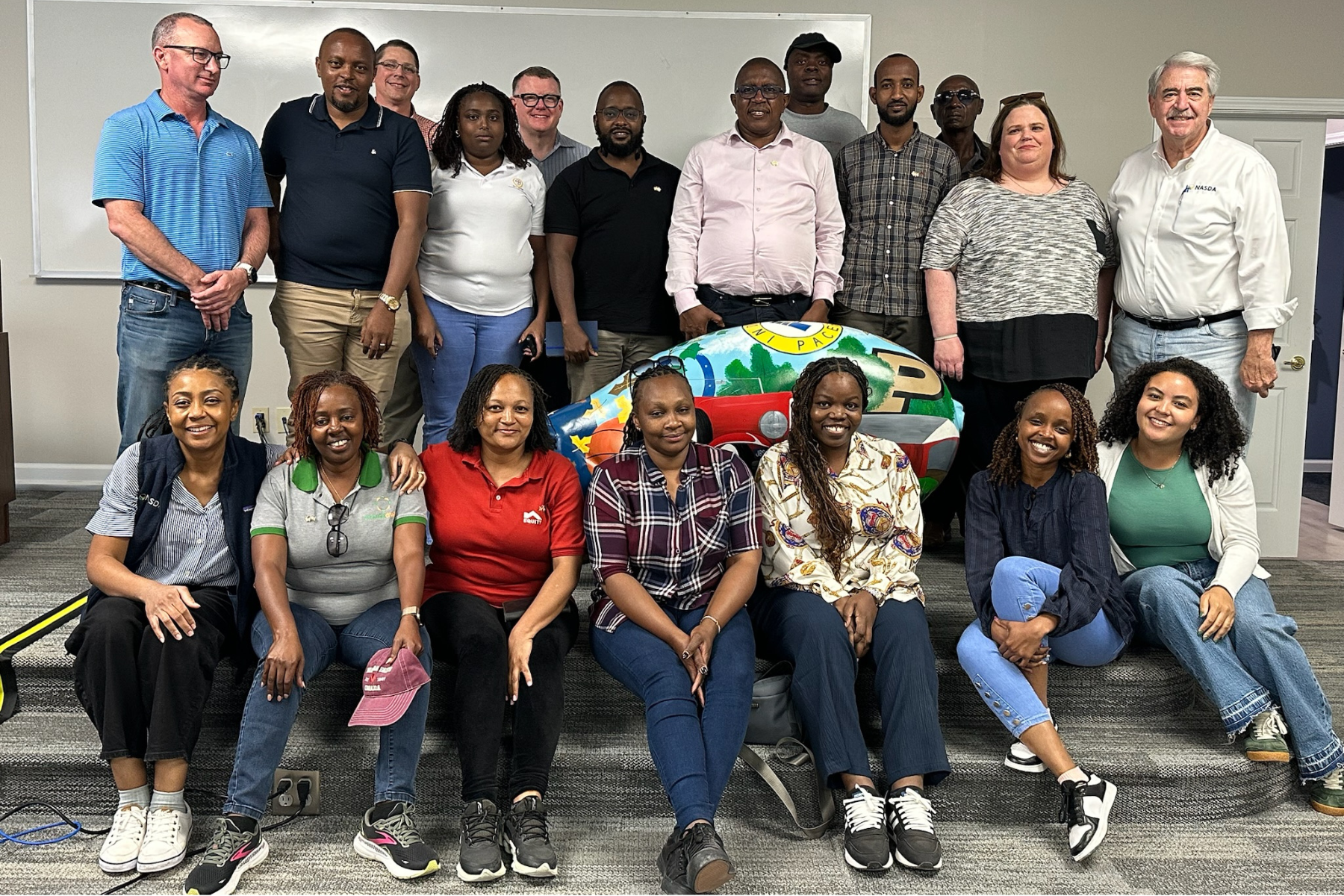
 From Oct. 4–11, 2025, NASDA welcomed a high-level delegation from Kenya to Indiana for a weeklong inbound trade mission focused on biotechnology, animal feed, biofuels and sustainable agricultural systems.
Hosted in partnership with the Indiana State Department of Agriculture and supported by the U.S. Department of Agriculture’s Foreign Agricultural Service in Nairobi, the program brought together officials from Kenyan government ministries, the private sector, academia and civil society to explore opportunities for collaboration with U.S. agricultural producers and researchers.
The visit built on NASDA’s ongoing work under USDA’s Emerging Markets Program and Regional Agricultural Promotion Program to strengthen agricultural ties between the U.S. and Kenya. Delegates toured Lamb Farms, Archer Daniels Midland’s Frankfort facility and POET Biorefining, gaining firsthand insight into U.S. leadership in biotechnology, renewable energy and animal feed production.
At Purdue University’s Corn and Soybean Innovation Center, experts highlighted research in crop genetics, bioengineering and extension programs that connect innovation with on-farm application. Participants also visited Hulsbosch Dairy, Fischers Inc. and family-run farms across Indiana to see how mechanization, genetics and sustainability practices drive productivity and resilience.
Delegates emphasized that the mission deepened their understanding of how science-based regulation and technology adoption contribute to food security and market growth. Many expressed interest in collaborating on biotechnology, ethanol blending, precision farming and dairy innovation to strengthen Kenya’s agricultural value chains.
“Seeing how biotech and mechanization directly improve yields and reduce costs was eye-opening,” said one delegate. “It demonstrated that innovation and food security can go hand in hand.”
The mission underscored the importance of continued U.S.–Kenya engagement through technical exchanges, policy dialogue and trade promotion. NASDA and its partners plan to build on this progress through future RAPP trade missions to Kenya, expanded knowledge-sharing forums and joint initiatives with U.S. cooperators, including the Food and Agriculture Export Alliance and Rose Research.
By fostering collaboration among farmers, scientists and policymakers, NASDA continues to advance innovation-driven agricultural trade that benefits producers and consumers in both countries.
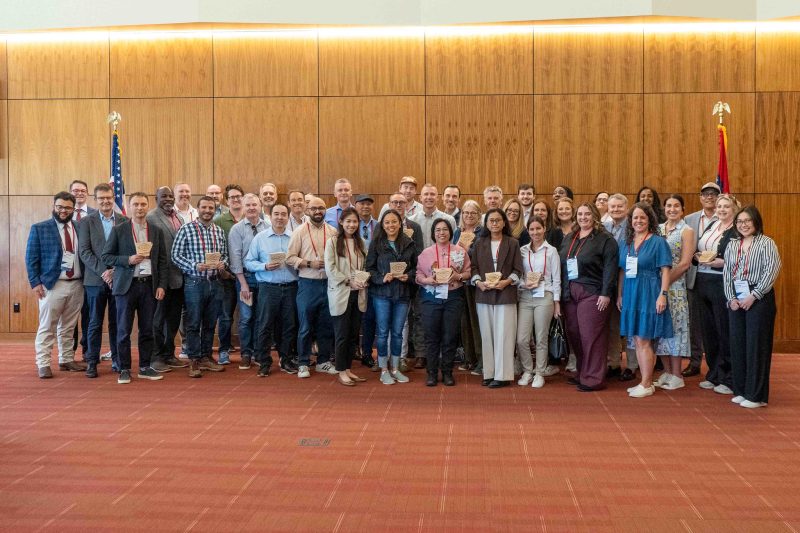
From September 16–18, 2025, NASDA hosted more than 30 agricultural attachés representing over 25 foreign embassies in Washington, D.C., for an Agricultural Attaché Tour in Rogers, Arkansas. Held in conjunction with the NASDA Annual Meeting, the program strengthened relationships between U.S. state departments of agriculture and the international diplomatic community while providing participants a firsthand look at American agricultural innovation, research and sustainability in practice.
Supported by the USDA’s Regional Agricultural Promotion Program, the tour highlighted Arkansas’s leadership in agricultural productivity, food systems and global trade. Delegates visited Tyson Foods, Walmart and the Market Center of the Ozarks to gain insight into supply chain operations, sustainability initiatives and how regional food hubs connect small and medium-sized farms to consumers and markets.
At the University of Arkansas, participants engaged in panel discussions with experts from the Division of Agriculture, the Agricultural Experiment Station and the National Agricultural Law Center, exploring the intersections of research, policy and education. Site visits to the Food Science Lab, Center for Arkansas Farms and Food and Freight Farm showcased cutting-edge technologies shaping the future of food and farming. The tour concluded at Marley Family Farms, where delegates observed on-farm conservation practices and the state’s leadership in the Arkansas Discovery Farms Program.
The program fostered meaningful knowledge sharing on topics ranging from food security and sustainability to agricultural trade and rural development. Attachés described the experience as both enlightening and inspiring, emphasizing the value of continued collaboration with U.S. agricultural leaders and universities.
By connecting global diplomats with state-level innovation, NASDA and USDA are advancing mutual goals of science-based, market-driven engagement that promotes agricultural leadership, strengthens trade relationships and supports a more resilient global food system.
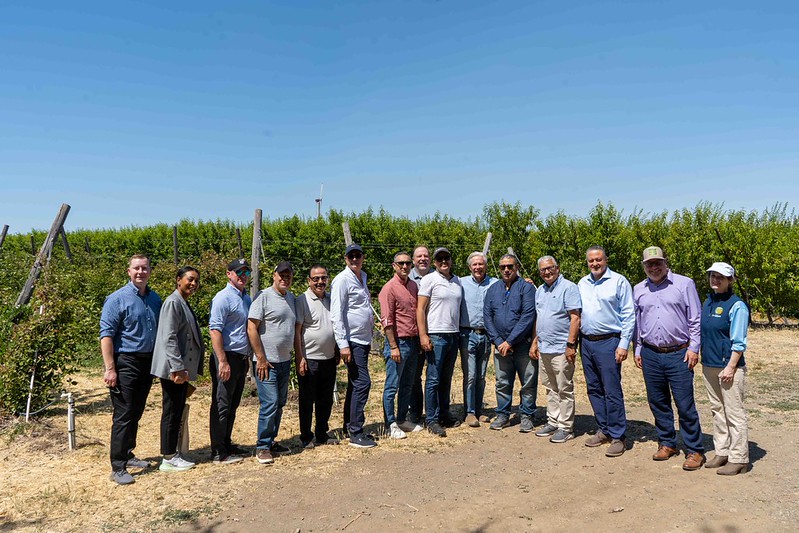
From June 22–28, 2025, NASDA welcomed an inbound delegation from Morocco to California for a trade mission focused on tree nuts, agricultural research, biotechnology and sustainable production systems. The delegation included senior officials from Moroccan government agencies, agricultural associations and the private sector, alongside NASDA staff and state agriculture partners.
Supported by USDA programs, the mission aimed to strengthen agricultural collaboration between the United States and Morocco and to deepen understanding of California’s regulatory frameworks, research capacity and export-oriented production systems. Discussions centered on tree nut production and trade, science-based regulation, climate-smart agriculture and the role of innovation in addressing challenges such as water scarcity and drought.
Throughout the week, delegates engaged with government leaders, researchers and industry representatives across Sacramento, Modesto and the San Francisco Bay Area. Meetings with the California Department of Food and Agriculture provided an overview of the state’s agricultural priorities, regulatory systems and climate resilience strategies. Delegates also participated in briefings on California’s leading export commodities, water management policies and emerging technologies, including artificial intelligence applications in agriculture.
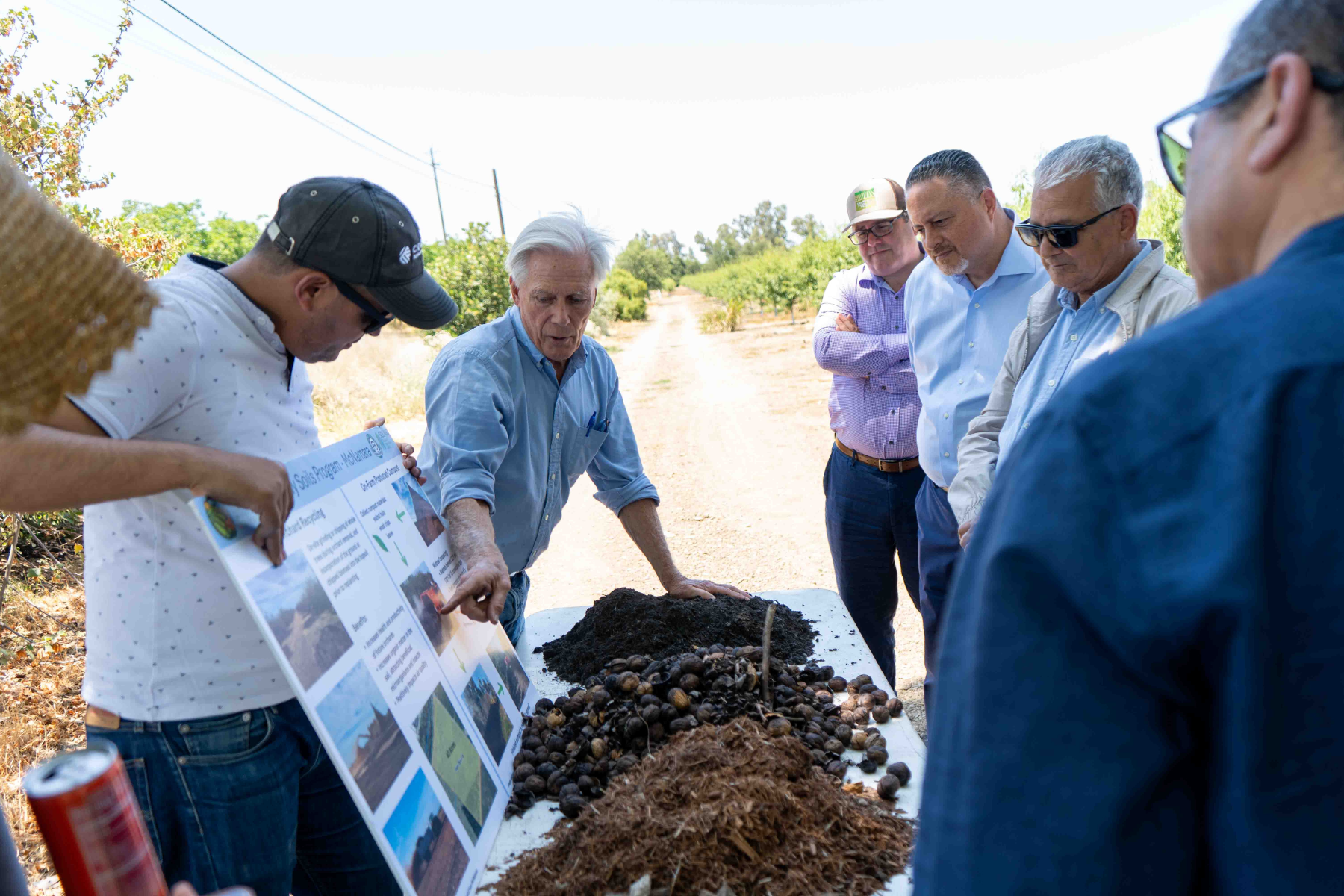
Site visits highlighted the full tree nut value chain, from production to export. Delegates toured orchards and processing facilities to examine organic and conventional production methods, soil health practices and sustainable irrigation techniques. Discussions with industry leaders focused on almond and walnut production, processing standards and trade regulations, as well as the use of advanced technologies to support quality control and operational efficiency.
At the University of California, Davis, the delegation explored agricultural research and extension programs, with briefings on drought and irrigation management, crop genetics and innovation in tree nut production and processing. The visit underscored the close connection between research institutions and producers in advancing science-based agricultural practices.
The mission concluded with meetings at the Port of Oakland, where delegates examined the regulatory and operational aspects of agricultural trade. Briefings with port officials, shipping companies and a USDA inspector provided insight into export logistics, inspection processes and the movement of agricultural goods through U.S. ports.
The mission reinforced the value of continued U.S.–Morocco collaboration on agricultural trade, research and sustainability. Delegates left with a stronger understanding of U.S. production systems and regulatory requirements, while NASDA and its partners identified opportunities for future technical exchanges, follow-up engagement and additional inbound and outbound missions to support mutually beneficial trade growth.
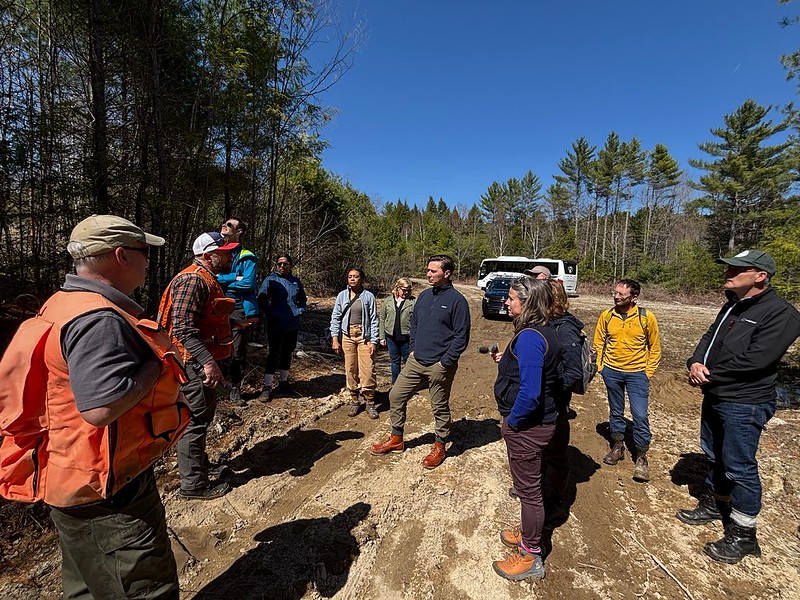
From April 27–May 2, 2025, NASDA welcomed an inbound delegation from the United Kingdom for a trade mission focused on forestry management, biomass sustainability and renewable energy supply chains. The delegation included senior officials from the U.K. Department for Environment, Food and Rural Affairs, the Department for Energy Security and Net Zero, forestry research institutions and the British Embassy, alongside NASDA leadership and state agriculture officials from Maine, Louisiana and Arkansas.
Supported by USDA programs, the mission aimed to deepen U.S.–U.K. collaboration on sustainable forestry and to strengthen understanding of the environmental and economic role of U.S. biomass markets. With wood pellet exports playing a critical role in transatlantic renewable energy supply chains, discussions focused on forest health, sustainability metrics, climate resilience and the integration of forestry and energy policy.
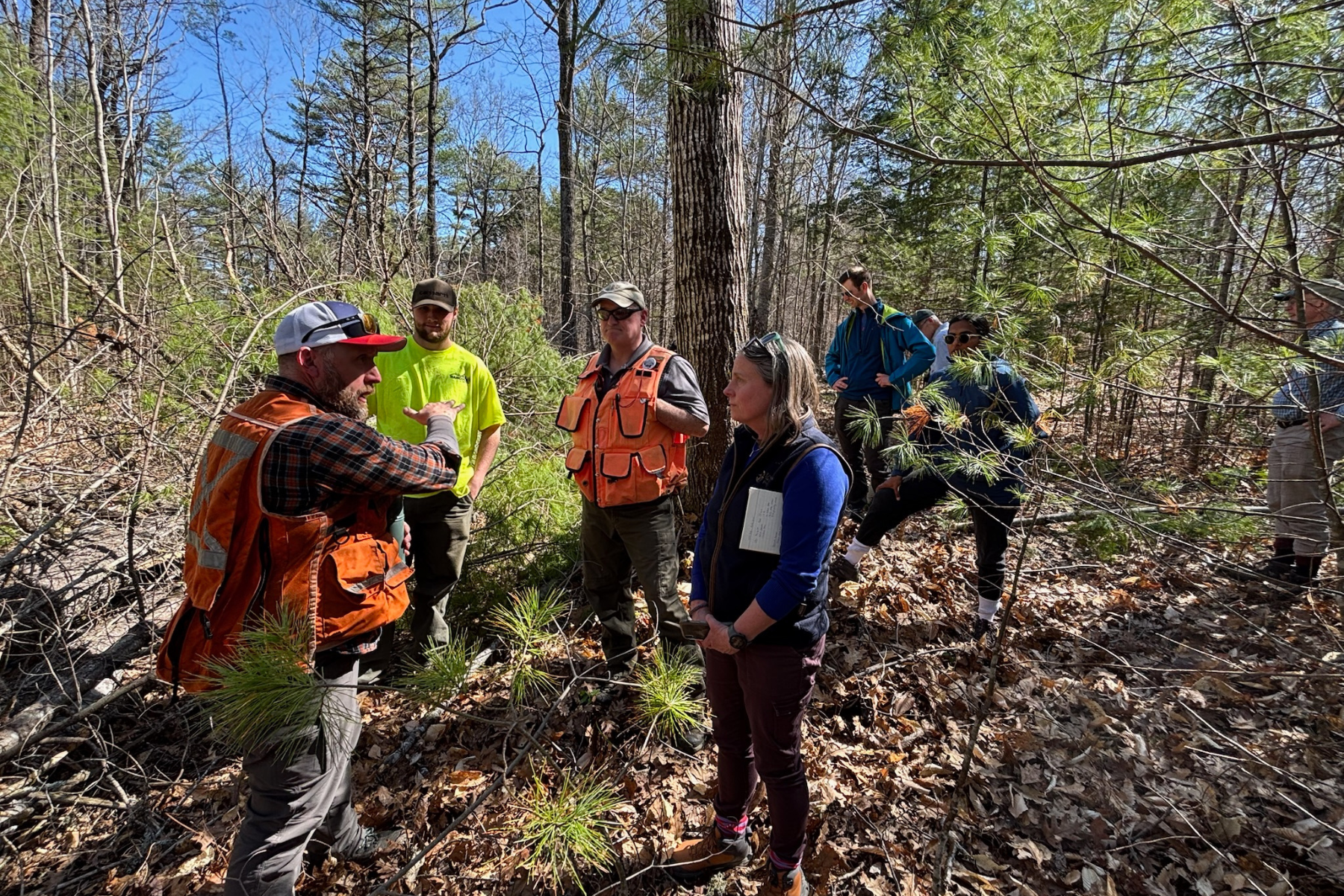
The mission began in Maine, where delegates engaged with state forestry officials, industry leaders and private landowners. Site visits and roundtable discussions highlighted working forests as a tool for climate mitigation, invasive species management and rural economic development. Delegates toured sawmills, harvest sites and forestlands to examine sustainable forest management practices, small woodland ownership models and the regulatory frameworks governing forestry operations.
In Louisiana, the delegation explored the role of biomass markets in supporting forest health and rural communities. Visits to pellet production facilities and meetings with local stakeholders provided insight into biomass supply chains, community engagement and environmental stewardship. Delegates also examined reforestation efforts and land restoration projects, reinforcing the connection between forest management and ecosystem resilience.
The mission concluded in Arkansas, where delegates engaged with researchers, state officials and industry representatives on forest health, innovation and applied science. Briefings at the University of Arkansas at Monticello highlighted research on forest pathology, remote sensing, wildfire risk management and waterfowl habitat, underscoring the role of science-based approaches in sustaining forest ecosystems. A final roundtable discussion brought together community leaders, researchers and industry partners to examine the economic and environmental impacts of the forestry sector.
Throughout the mission, delegates emphasized the value of seeing U.S. forestry systems firsthand and engaging directly with landowners, researchers and regulators. The visit strengthened confidence in the sustainability of U.S. forestry and biomass supply chains and reinforced the importance of continued collaboration between the United States and the United Kingdom.
By facilitating direct engagement across government, academia and industry, NASDA continues to advance science-based dialogue and practical cooperation on forestry and renewable energy. The April mission established a strong foundation for continued technical exchanges, follow-up engagement and future trade missions supporting resilient forests and sustainable trade.
2024 Inbound Trade Missions
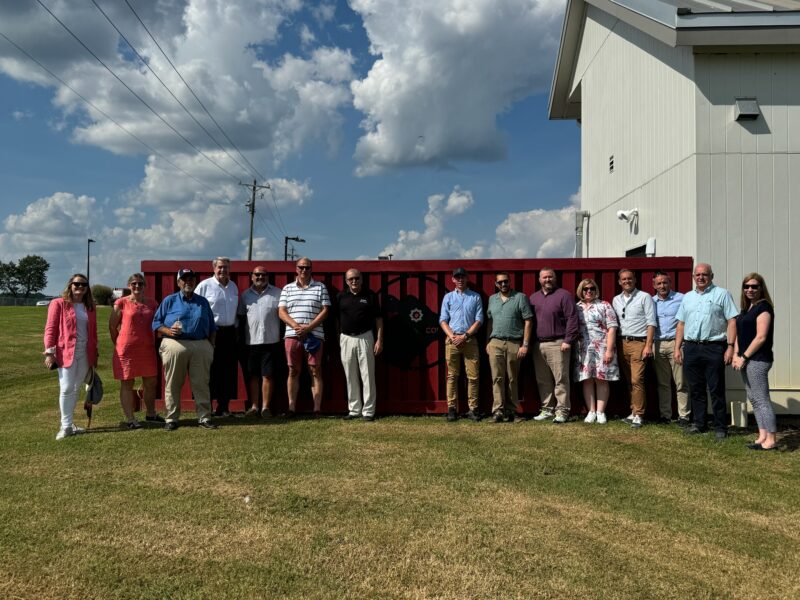 NASDA partnered with USDA Foreign Agricultural Service and British Embassy Washington to host an inbound Regional Agricultural Promotion Program trade mission of attendees from the UK in North Carolina to gain a deeper understanding of animal agriculture production, regulations and voluntary standards in the U.S. Attendees included veterinary officials, university faculty, representatives from meat processing companies and staff from both the Animal Plan Health Agency and the Department for Environment, Food and Rural Affairs. The group toured a poultry operation, attended a roundtable with NC Pork Council and learned more about the extension system at N.C. State. National Cattlemen’s Beef Association was a key partner in planning the mission. A highlight of the week was visiting the Steve Troxler Agricultural Sciences Center. NASDA continues to build on the relationships developed during the mission and looks forward to furthering those relationships to showcase the high level of standards in U.S. agriculture.
 NASDA hosted 17 delegates from Indonesia to participate in an inbound Emerging Markets Program trade mission to Madison, Wisconsin, Sept. 29 – Oct. 5, 2024. The delegation included dairy industry leaders, academics, USDA Foreign Agricultural Service Jakarta staff and U.S. Embassy of Indonesia staff. Co-ordinated with the Wisconsin Department of Agriculture, Trade and Consumer Protection and U.S. Dairy Export Council, the delegation spent the week touring dairy farms, cheese and milk processing facilities, retail stores and cranberry and dairy research centers, before wrapping up their trip by attending the World Dairy Expo.
The delegation was accompanied by Massachusetts Agriculture Commissioner Ashley Randle, New Mexico Agriculture Secretary Jeff Witte, Tennessee Agriculture Commissioner Charles Hatcher, Minnesota Agriculture Commissioner Thom Petersen and Wisconsin Agriculture Secretary Randy Romanski.
The trip was successful in establishing relationships between the Indonesian government, who recently announced a new initiative to bring milk to schools, and U.S. agricultural leaders. Learn more from the U.S. ambassador.
Listen In: NASDA’s International Trade Programs and Partnerships in Action

Podcast feature: Listen to Episode 84 of the Almond Journey Podcast.
This Almond Journey Podcast episode highlights NASDA’s Morocco Inbound RAPP Trade Mission to California and the collaboration between FAS Rabat, WUSATA, the Almond Board of California and state partners from New Mexico and Kansas to grow U.S. agricultural trade.