Featured Resources
Strengthening U.S. Regional Food Systems, Supply Chains and Nutrition Security
NASDA advocates for policies and programs that fortify U.S. food systems, enhance supply chain resilience and improve nutrition security through reliable access to nutritious food. Strengthening the connectivity within supply chains not only creates new market opportunities for small, medium-sized and beginning farmers but also bolsters rural economies and improves access to nutrient-dense foods. NASDA supports science-based policies and food safety standards, urging policymakers to uphold evidence-based dietary recommendations that promote safe, healthy food for all.
Strengthening U.S. Regional Food Systems, Supply Chains and Nutrition Security
NASDA advocates for policies and programs that fortify U.S. food systems, enhance supply chain resilience and improve nutrition security through reliable access to nutritious food. Strengthening the connectivity within supply chains not only creates new market opportunities for small, medium-sized and beginning farmers but also bolsters rural economies and improves access to nutrient-dense foods. NASDA supports science-based policies and food safety standards, urging policymakers to uphold evidence-based dietary recommendations that promote safe, healthy food for all.
Committee of Jurisdiction: Food Regulation Committee
Chair:
Secretary Karen Ross, California
Vice Chair:
Commissioner Bryan Hurlburt, Connecticut
NASDA Staff Contact:
Becky Garrison Warfel
Jurisdiction:
Matters within the jurisdiction of the Food Systems and Nutrition shall include food safety, food labeling, nutrition, food waste, food access/security and food supply chain issues.
Featured Resources
State departments of agriculture are bolstering local food systems
Alabama Department of Agriculture & Industries


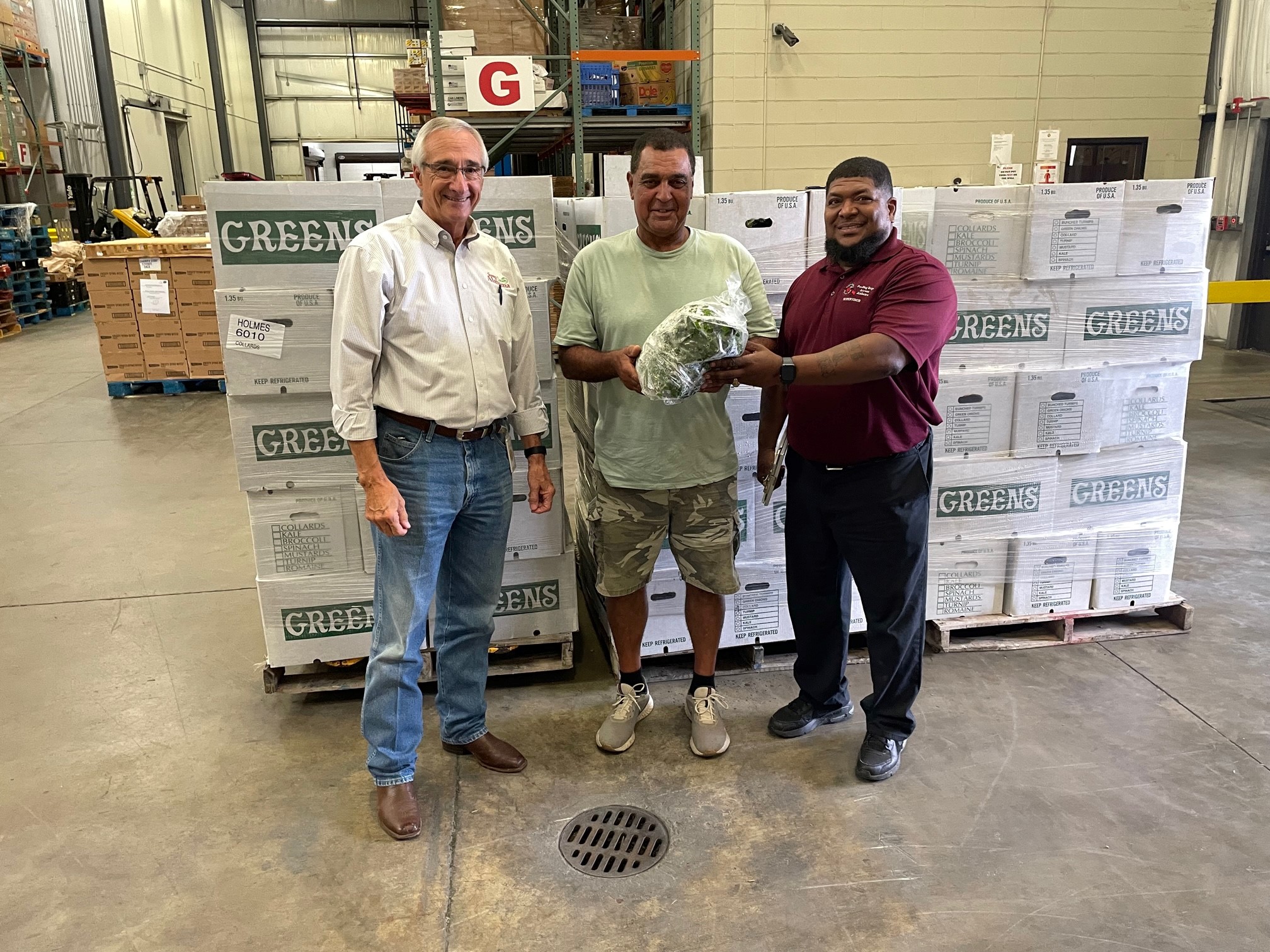

Alabama Agriculture Commissioner Rick Pate champions efforts to connect locally grown food to schools and communities in need. Through strong partnerships and innovative programs, Alabama sees real impacts like schools serving fresh produce directly from nearby farms and food banks offering healthier, locally sourced options. A key driver of this success is Alabama’s state incentive program, which rewards schools for purchasing Alabama-grown products.
Iowa Department of Agriculture
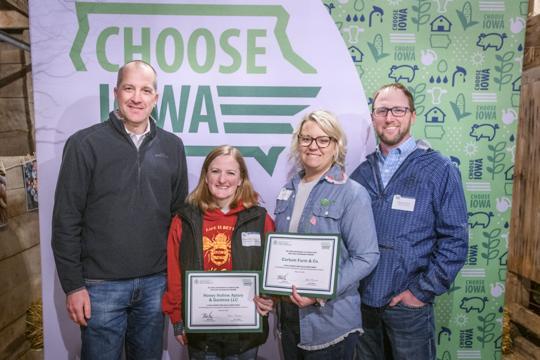
Choose Iowa is the state’s signature branding and marketing program to identify and promote Iowa grown, made, and raised food and beverages and other agriculture products. The Choose Iowa program connects Iowans with local farmers, farmers markets, farm stores and agritourism opportunities, and encourages consumers to buy local.
The Choose Iowa program launched in 2023 and now has nearly 300 members representing 87 of Iowa’s 99 counties. These participating members have found value in networking with other Choose Iowa members. In many cases, Choose Iowa members have teamed up to cross-promote or source food, beverages and ingredients from other members, helping both businesses tap into new markets and strengthening the local food system. The program has helped connect consumers, school food programs and food banks to producers in their communities, empowering these stakeholders to source more Iowa grown, made and raised products.
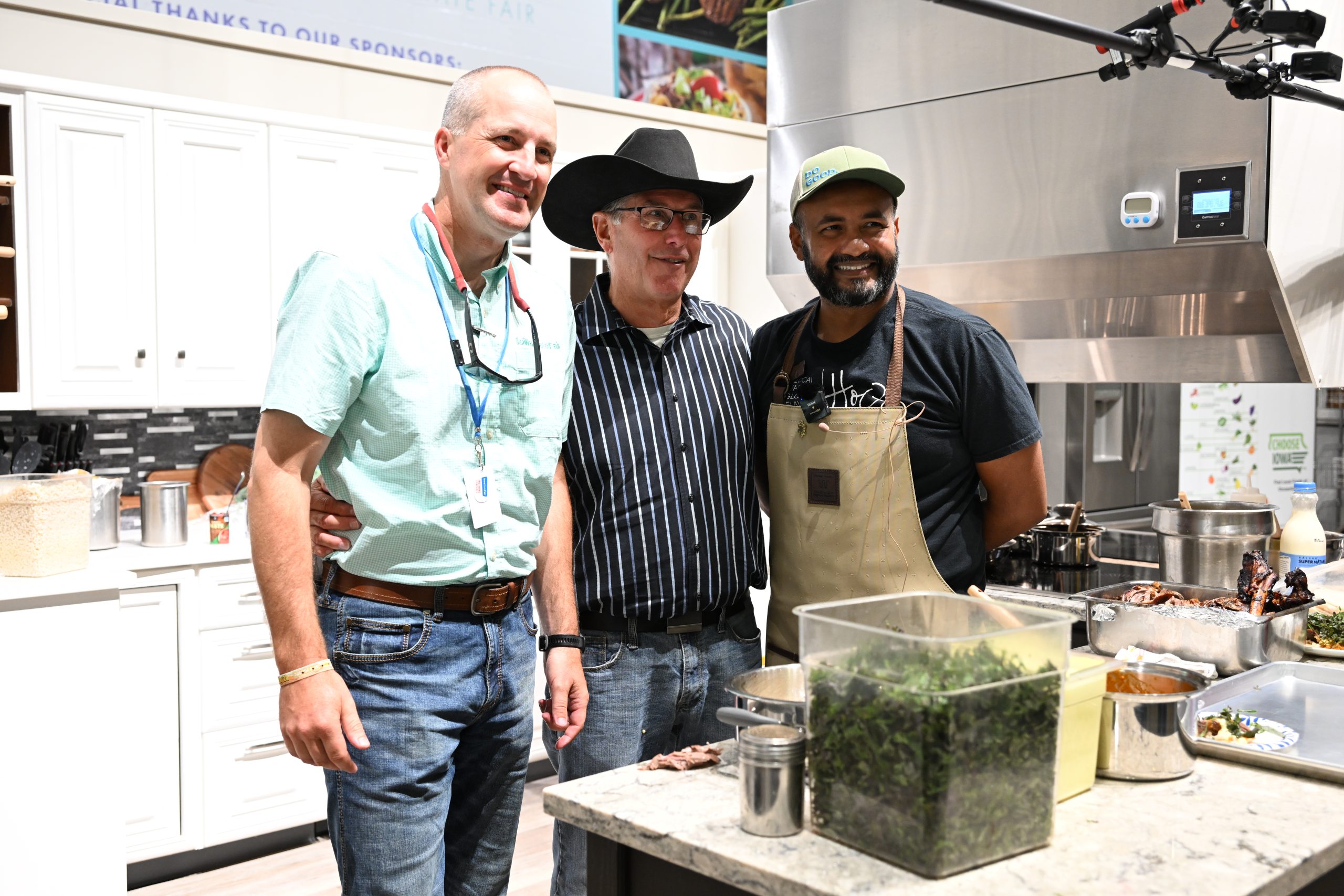
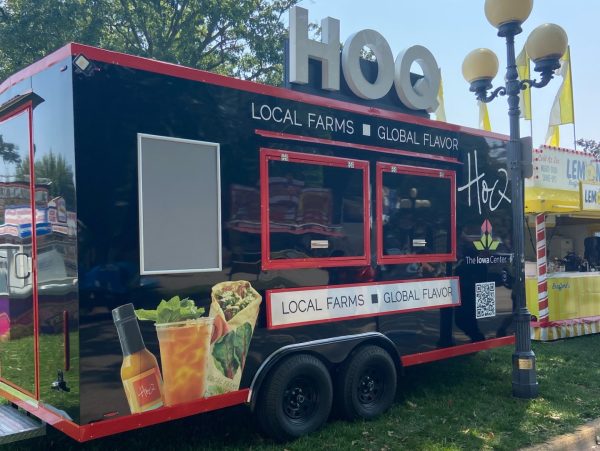 Chef Suman with HoQ Restaurant in Des Moines, Iowa, has been tied to the Choose Iowa program through both the membership program and the grants program. Chef Suman is fastidious about using local Iowa ingredients. Everything served at his restaurant (besides salt, pepper, olive oil and citrus) comes from Iowa farms and farmers. Many of these farms are also Choose Iowa members. For example, Choose Iowa was able to introduce Chef Suman to Mike Sexton with Sexton Sheep and allow Chef to source all lamb sold at his restaurant locally. Since Chef Suman joined the Choose Iowa program he has successfully opened a second restaurant location (Flora), continued his spot as a popular food vendor at RAGBRAI and for the first time opened a food stand at the 2025 Iowa State Fair. His HoQ Lamb Wrap, featuring lamb from Sexton Sheep and naan bread made with flour from Early Morning Harvest, was a semi-finalist in the 2025 ISF’s Best New Food competition. Chef Suman was awarded a Choose Iowa Value-Added Grant to expand his hot sauce business to better utilize ingredients from Iowa.
“This is truly ALL because of Choose Iowa… We wouldn’t have had the space to host the group, and we wouldn’t have met Brandon and Anthony at the state fair if it wasn’t for Choose Iowa. We are ALL-IN on Choose Iowa and so thankful for the opportunities.” – Cortum Farm and Co, October 2, 2024
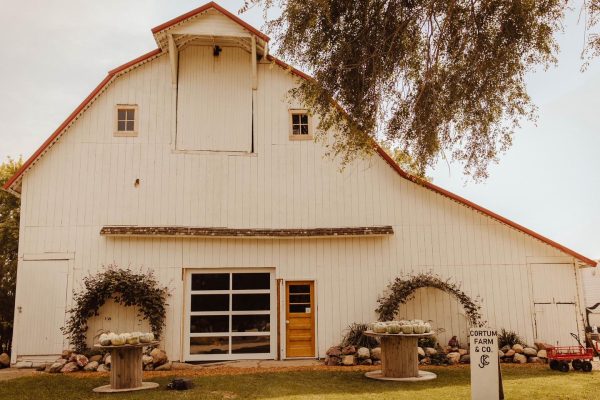 When Mekenze first set her sights on this farm, it wasn’t just about the land. It was about the possibility of something bigger—a vision of connecting with the community, raising her family, showcasing the fruits of their labor, and celebrating the heart of Iowa agriculture. As she put it, “I had a dream for this farm to be a place where neighbors could come together.” But like so many dreams, it needed a push to become a reality.
That push came when Mekenze came across the Choose Iowa Value-Added Grant. “When I found out this was exactly the kind of support I needed—resources for turning raw agriculture products into something more marketable—I knew it was time to take a leap,” she said. She filled out the application, shared her vision, and waited anxiously.
When the approval came through, she was over the moon. The grant provided funding to restore and revamp their century-old barn, transforming it into an inviting, functional space that could house a retail area for her farm and other local farms. “We turned the idea of a historical barn into a community hub,” Mekenze explained. Her farm became not just a producer of food, but a place where people could connect with local agriculture. She invited surrounding Choose Iowa farmers to join, giving them a space to sell their goods, share stories, and become part of a larger conversation about Iowa agriculture.
But the push didn’t stop there. It was at the Iowa State Fair that Mekenze had the privilege of meeting Chef Anthony Nace. His cooking demonstration during the Choose Iowa Kitchen presentation featured pumpkins from her farm. “It was one of those moments where everything seemed to click into place,” she recalled. Chef Nace was passionate about locally sourced ingredients and creating dishes that told a story—her story.
From there, Mekenze invited Chef Nace to visit her farm and meet the other Choose Iowa farms. “I wanted him to see the people behind the products and to understand the heart of what we were doing.” He came, and from that point on, their relationship blossomed. Now, every week, on her way to work, Mekenze stops at his kitchen in Des Moines, dropping off produce from her farm and other Choose Iowa member farms around her. Chef Nace now exclusively sources some of his ingredients from Mekenze’s farm, turning their produce into dishes that showcase the best of Iowa.
Looking ahead, Mekenze is excited about what is to come. The barn is becoming a key piece of the puzzle. “We are planning to be part of the Choose Iowa Passport and Farm Open house—events that will help bring more people to our doorstep,” she said. For Mekenze, it’s all about building community and welcoming people into the world she’s worked so hard to create.
“The dream I had for this farm, this vision of a place where farmers, chefs, and neighbors could come together—is turning into a reality,” Mekenze said with a smile. It’s not just about selling products anymore. “It’s about creating a story, a narrative that’s bigger than any one of us.
With each delivery to Chef Nace’s kitchen, every conversation with a local farmer, and every new visitor to her farm, Mekenze is reminded that dreams have a way of growing, just like the crops she tends to. And she’s excited to see where it takes her next.
Maryland Department of Agriculture
The Maryland Department of Agriculture is helping build a resilient local food system that supports farmers, strengthens communities and expands access to fresh, nutritious food. Keep reading to learn about their initiatives that help families purchase healthy foods, create reliable markets for Maryland-grown products, encourage state institutions to buy local and educate the next generation about agriculture.
New Mexico Department of Agriculture
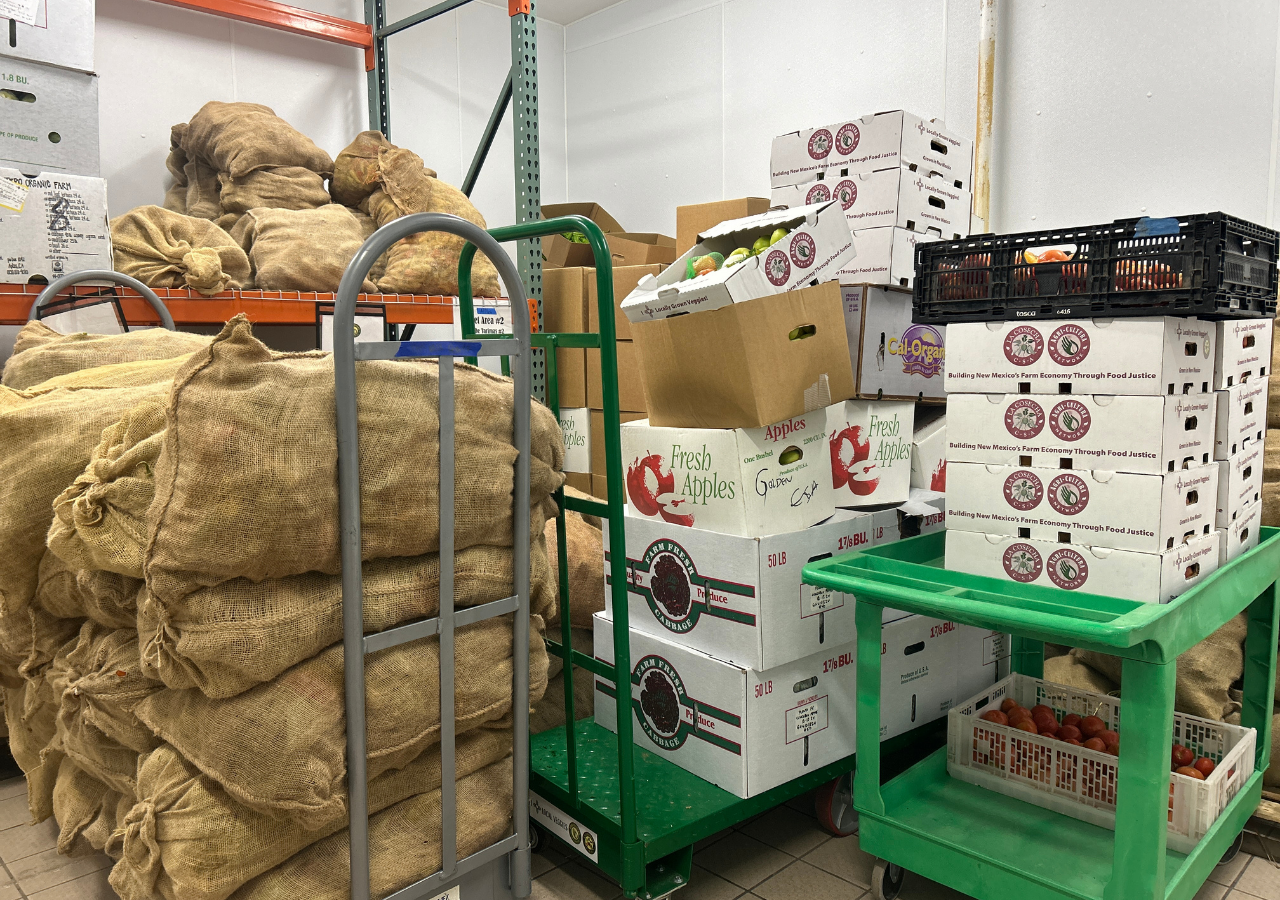
The New Mexico Department of Agriculture is committed to strengthening local food systems and supporting agricultural producers across the state. Through NMDA-led programs and partnerships, the department is increasing access to local food, enhancing market opportunities, and driving economic impact throughout New Mexico.


Oklahoma Department of Agriculture, Food and Forestry
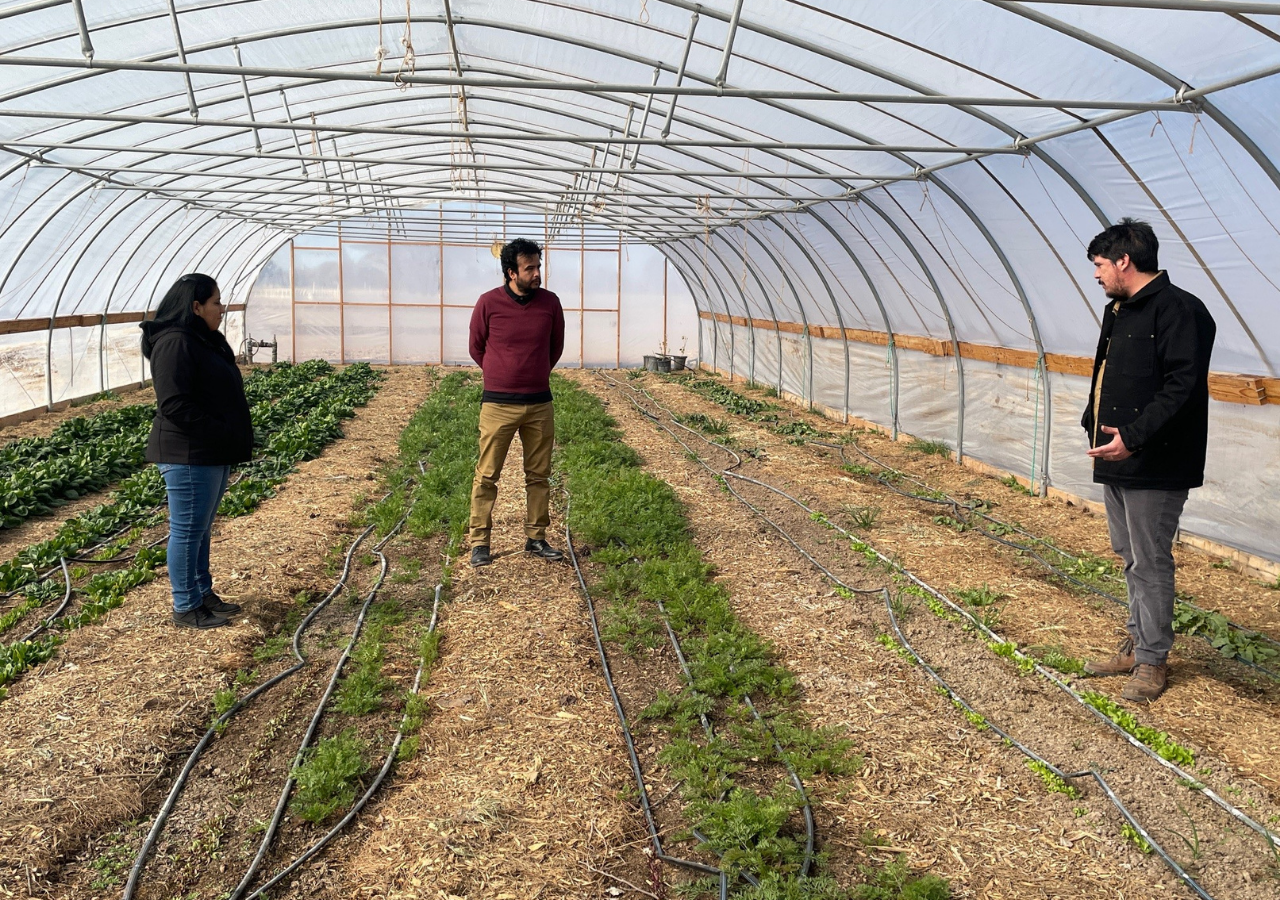
The Oklahoma Department of Agriculture, Food and Forestry is dedicated to helping farmers and ranchers expand their market outlets while helping fresh, nutritious food land on consumer’s plates. Watch the video to learn more about Oklahoma’s Local Food for Schools Program.
Oklahoma News Report
Virginia Department of Agriculture and Consumer Services
The Virginia Department of Agriculture and Consumer Services is helping bolster local food systems and programs that benefit both farmers and communities. At the links below, discover a few of the ways they are accomplishing this.
Farmers, Schools, Markets and More Come Together to Expand Food Access in Virginia
Agriculture is Virginia’s largest private industry, yet roughly 8% of the state’s population struggles with access to food. To ensure a plentiful food system, government agencies, nonprofits, retailers and farmers collaborate to combat food insecurity.
Agriculture Grants in Virginia Help Local Farmers and Allies Feed Families
The Commonwealth is at the forefront of food resiliency initiatives thanks, in part, to agriculture grants in Virginia. Comprehensive efforts in the Commonwealth – like that of 4P Foods, Radical Roots Farm and Lulus Local Food – illustrate how diverse approaches collectively support the region’s food system.